
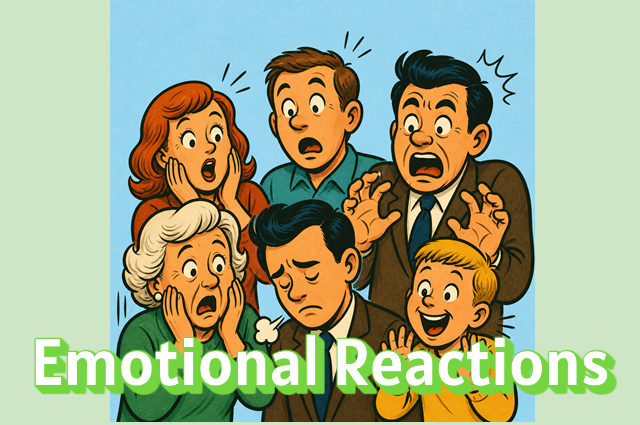
Reactions happen in an instant.
A sudden shock.
A quick emotional shift.
Or a spontaneous cry that escapes before you can stop it.
In Japanese, these reactions are often expressed through short, vivid sound words — capturing the exact moment something happens.
Instead of ranking them by intensity, let’s explore the different types of reactions.
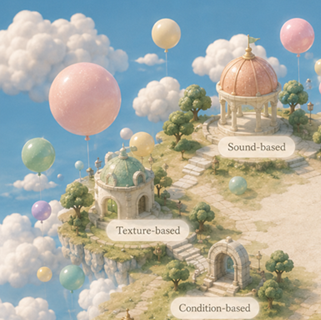
Instant Reactions (Internal or Physical)
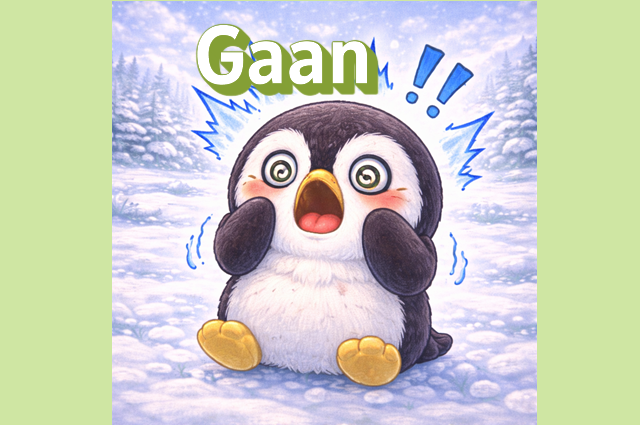
Gaan (がーん)
A sudden emotional shock.
Used when something hits you hard — often disappointing or unexpected.
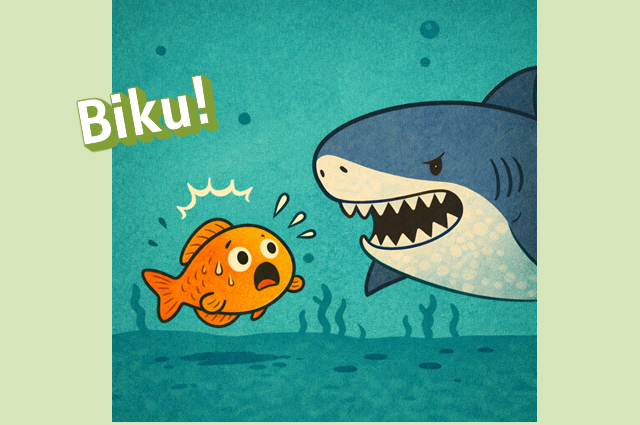
Biku (びくっ)
A quick flinch or startle.
A reflexive reaction to surprise or fear.
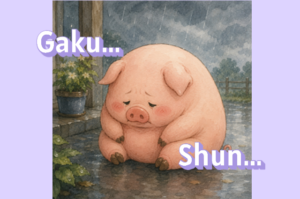
Gaku (がくっ)
A physical drop in energy.
Often used when your body reacts to disappointment.

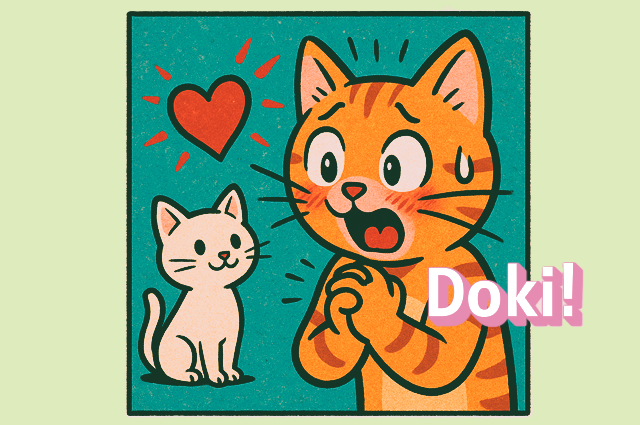
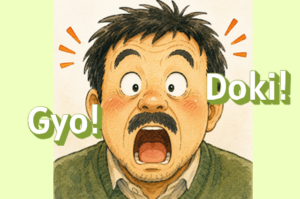
Doki! (どきっ!)
A sudden heartbeat.
A quick moment of surprise, excitement, or nervousness.
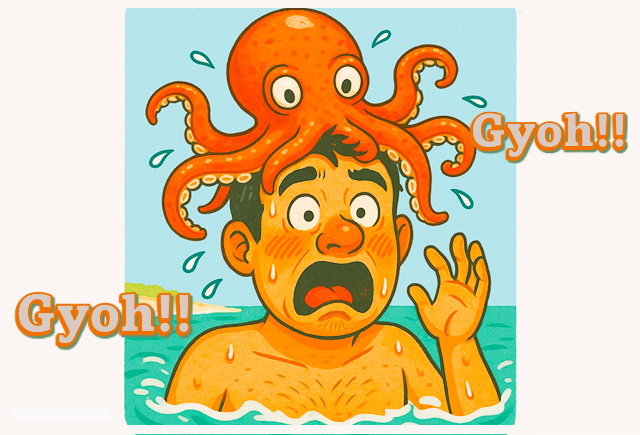
Gyo! (ぎょっ!)
A startled reaction.
Used when you’re suddenly shocked or caught off guard.
Emotional Outbursts (Voiced Reactions)
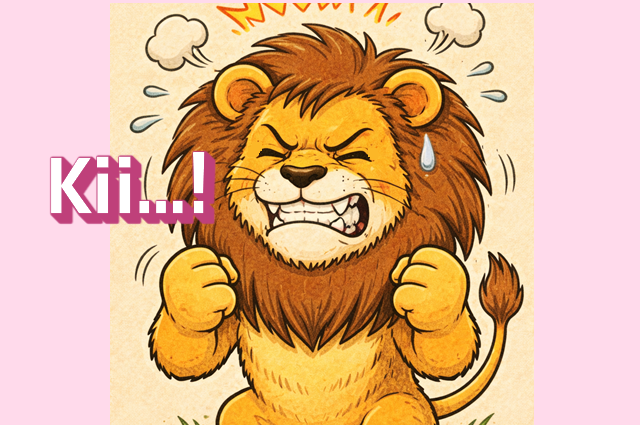
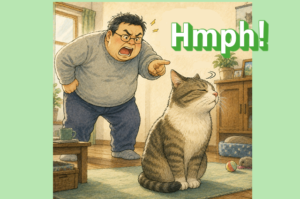
Kii! (きぃーっ!)
A sharp, high-pitched cry of frustration or anger.
Waa (わー)
A general exclamation.
Can express surprise, excitement, or emotion.

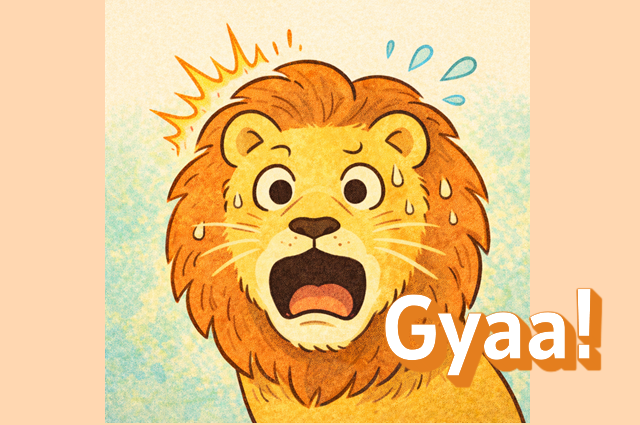
Gyaa (ぎゃあ)
A loud scream.
Often used in fear, panic, or intense surprise.
Try Using It!
Next time you react to something —
pause for a moment and ask:
👉 What kind of reaction was that?
Was it internal?
Physical?
Or something that came out as a voice?
Try expressing it with a Japanese sound word —
you might capture the exact moment more vividly.







Comments