
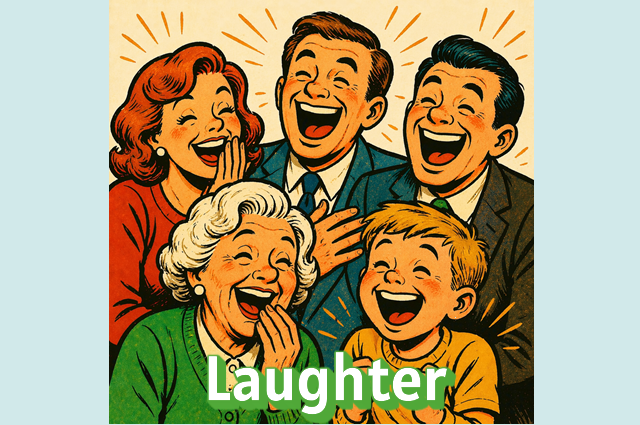
Laughter comes in many forms.
Sometimes it’s just a tiny smile you try to hide.
Sometimes it’s a soft giggle.
And sometimes, it bursts out loud without control.
In Japanese, these different types of laughter are expressed with vivid sound words — each one capturing a slightly different feeling, mood, and intensity.
Each sound carries a slightly different feeling — let’s explore them by intensity.
How Laughter Sounds in Japanese
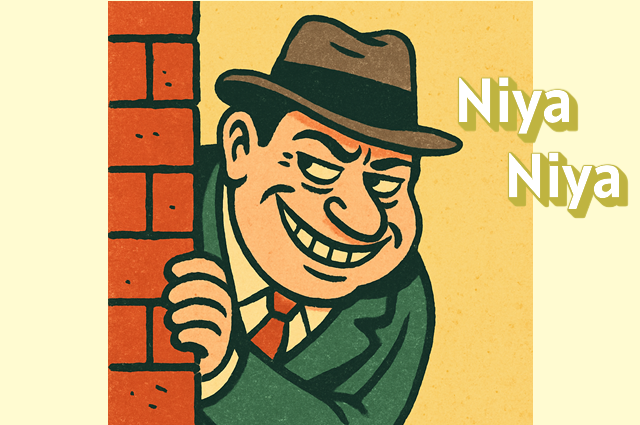
Level 1: Niya Niya (にやにや)
A quiet, slightly sneaky smile.
Often used when someone is secretly amused or pleased.
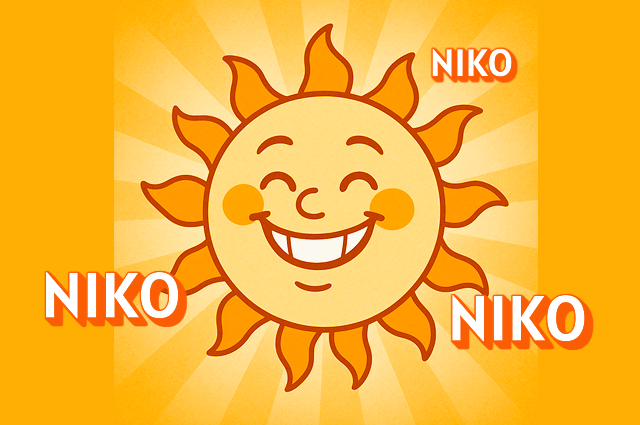
Level 1: Niko Niko (にこにこ)
A gentle, warm smile.
Not loud — just calm, friendly happiness.
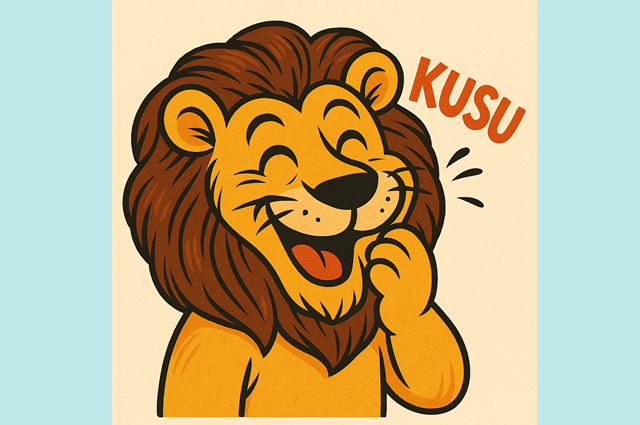
Level 2: Kusu! (くすっ)
A small, quick giggle.
It slips out softly, almost without thinking.
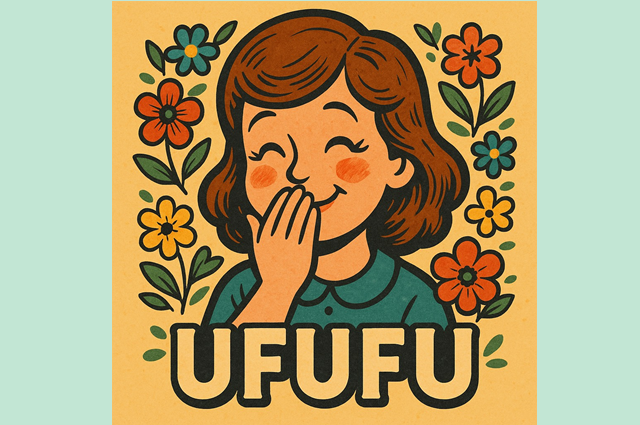
Level 2: Ufufu (うふふ)
A soft, elegant laugh.
Often used in a slightly playful or feminine way.
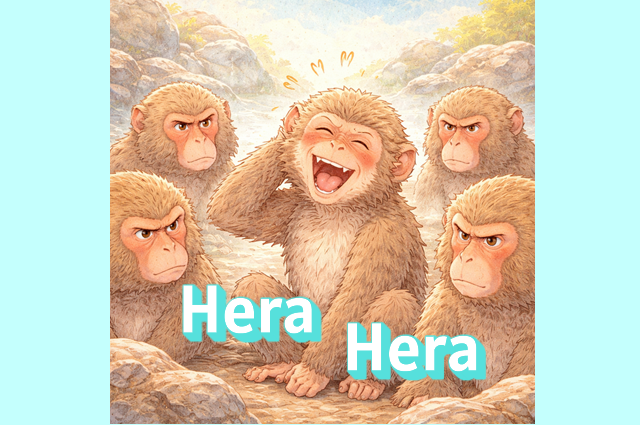
Level 3: Hera Hera (へらへら)
A light, careless laugh.
Sometimes used when someone is laughing without much thought.
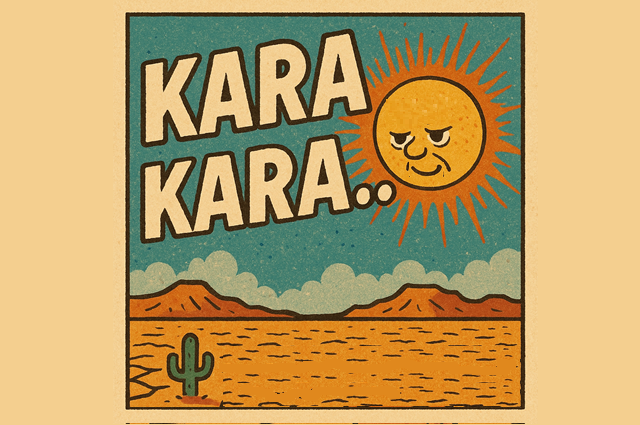
Level 4: Kara Kara (からから)
A dry, open laugh.
It feels light and airy, without much emotional weight.
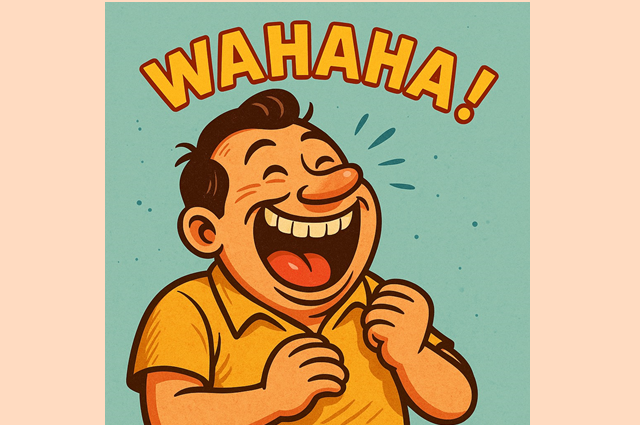
Level 5: Wahaha (わはは)
A big, loud laugh.
Full of energy — open, bold, and impossible to miss.
Try Using It!
Next time you smile, giggle, or laugh out loud —
pause for a second and ask yourself:
What kind of laughter is this?
Then try saying it in Japanese.
You might find that one small sound word captures the moment perfectly.



Comments