
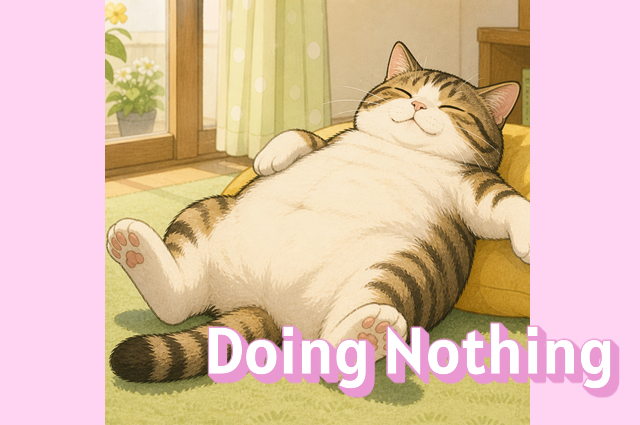
In English, we describe these different scenes as:
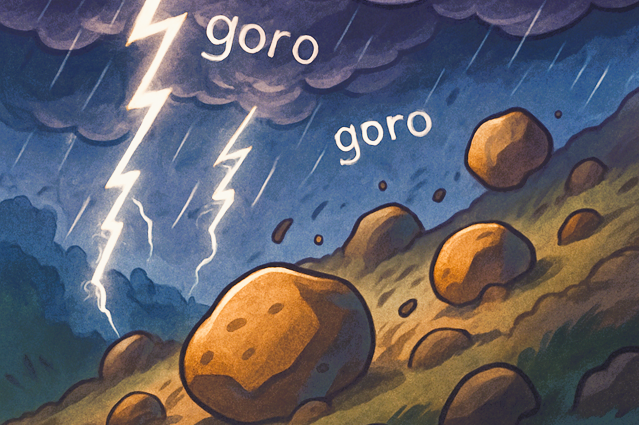
- Rumble rumble (thunder)
- Rolling (heavy objects moving)
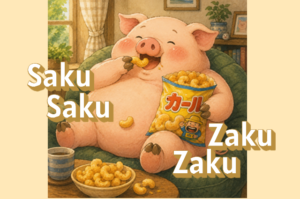
- Lying around / lounging
- Doing nothing all day
Sometimes it’s loud and dramatic — like thunder in the distance.
Sometimes it’s slow and physical — like something heavy rolling.
And sometimes… it’s just you on the sofa, doing absolutely nothing.
But how does Japanese capture all these meanings with one repeating sound?
Let’s step into the world of Japanese onomatopoeia and discover the sound of rolling and relaxing.
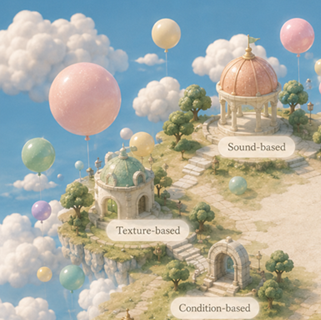
What Is a “Rumbling / Rolling / Lounging” Moment?
It’s when:
- Thunder echoes in the sky
- Heavy objects roll with a deep sound
- Someone lies around at home
- Time passes slowly without much happening
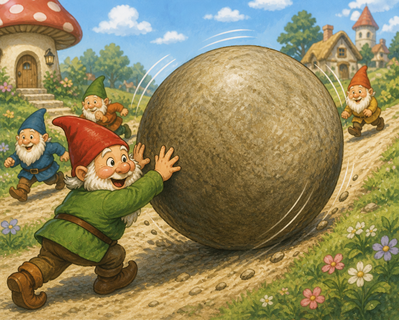
In English, we might say:
- Rumble – Deep, low continuous sound
- Rolling – Moving by turning over
- Lounging – Relaxing lazily
- Doing nothing – Passing time idly
But Japanese brings these together through a shared feeling of heaviness and repetition.
How Is This Feeling Expressed in Japanese?
Japanese often uses repeating sounds to express motion, sound, and even lifestyle.
The standout word for rumbling, rolling, or lounging is:
“Goro Goro” (ごろごろ)
It captures heavy, rounded movement — and relaxed, idle states.
Let’s feel how it sounds.
What Is Japanese Onomatopoeia “Goro Goro (ごろごろ)” ?
“Goro Goro” describes:
1. Rumbling Sound
- Thunder in the distance
- Deep, rolling noise
2. Heavy Rolling Movement
- Rocks rolling
- Luggage moving on the ground
- Anything round and heavy turning over

3. Lounging / Doing Nothing
- Staying at home all day
- Lying around without purpose
- Relaxing lazily
It can feel:
- Loud and dramatic
- Or soft and cozy
depending on context.
Pronunciation
go-ro go-ro
(Each syllable is round and heavy. Let it roll from your mouth like thunder or a lazy yawn.)
Categories
Sound / Motion / Condition
Examples in Daily Life
To learn about how it appears in manga or daily conversation, dive into the following page:
Examples











Comments