
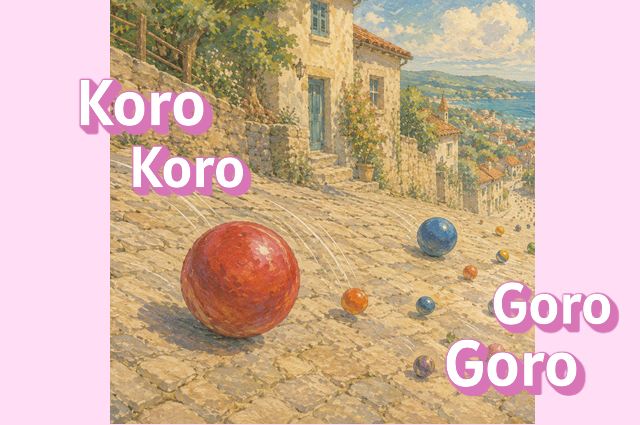
Have you ever watched a small object roll lightly across the floor?
Or heard something large rumbling heavily as it rolls?
In Japanese, these two expressions both describe rolling movement — but the size, weight, and feeling are very different:
Koro Koro (ころころ)
あわせて読みたい

What Is “Koro Koro” in Japanese? The Cute Rolling Sound of Small Round Things
Ever noticed the delightful way small objects roll or the endearing roundness of a chubby kitten? In Japanese, the onomatopoeia “Koro Koro” (ころころ) perfec…
Goro Goro (ごろごろ)
あわせて読みたい
What Is “Goro Goro”? The Japanese Sound of Thunder, Laziness, and Rolling Rocks
In Japanese, one word can express the roar of thunder, the laziness of a rainy day, and the rumble of tumbling boulders.That word is… “Goro Goro” (ごろごろ)….
Both involve things moving and rolling, but one feels light and cute, while the other feels heavy, rough, or overwhelming.
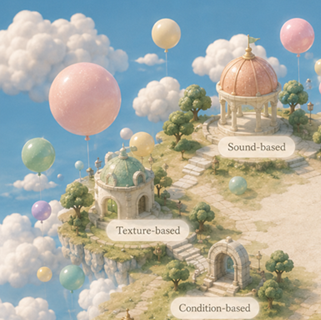
Table of Contents
Differences Between “Koro Koro” and “Goro Goro”
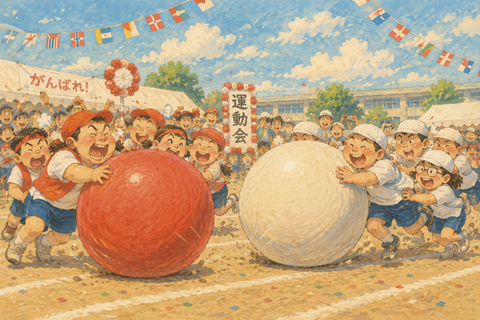
| Expression | Meaning | Nuance |
|---|---|---|
| Koro Koro (ころころ) | Light rolling movement | Small, cute, playful |
| Goro Goro (ごろごろ) | Heavy rolling / rumbling movement | Large, rough, lazy, overwhelming |
In short:
- Koro koro → light and playful rolling
- Goro goro → heavy rolling or rough rumbling
Examples in Daily Life
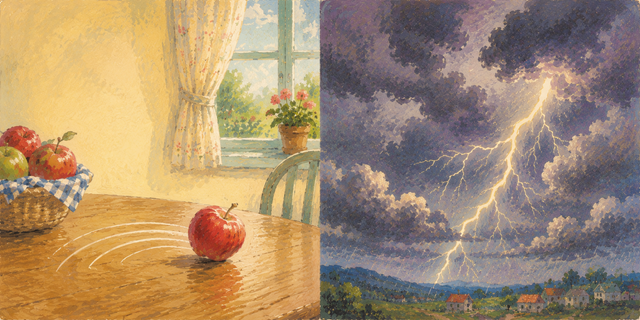
Example 1: A rolling apple (Koro Koro)
The small apple rolled across the table —
koro koro…
Example 2: Thunder rumbling (Goro Goro)
Dark clouds filled the sky,
and thunder rumbled loudly —
goro goro…
Try Using Them!
A marble or apple rolling lightly?
→ Say koro koro
Thunder rumbling, large rocks rolling, or someone lazily lying around?
→ Say goro goro
Both roll and move —
but the weight and atmosphere feel completely different!
More Condition-based Onomatopoeia:

More Motion-based Onomatopoeia:

More Sound-based Onomatopoeia:







Comments