

Ever walked into a large empty room?
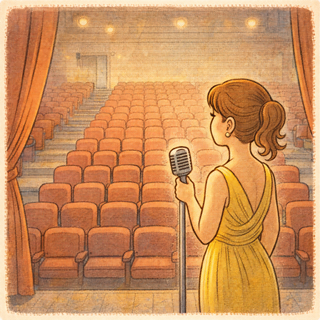
Or stood in an echoing hall with no furniture?
That quiet, hollow feeling is captured in Japanese as “Garan” (がらん).
Let’s hear what it sounds like:
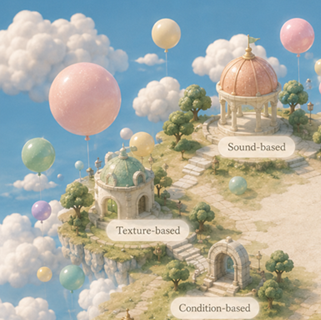
What is “Garan” (がらん)?
“Garan” expresses:
- A large, empty space
- The echo or stillness inside
- A visual or emotional sense of vacancy
It can be literal (an empty room) or emotional (feeling hollow or abandoned).
Pronunciation
gah-rahn
(Say it slowly, letting the space between syllables breathe.)
Categories
Visual / Condition
What Does “Garan” Look Like?
It looks like an unfurnished room with white walls.
Like a hallway with no sound but your own footsteps.
Like a marketplace… after everyone has gone home.

How Do You Say It?
Say it softly, with a touch of stillness:
Garan…
Let it echo in your chest.
Examples in Daily Life
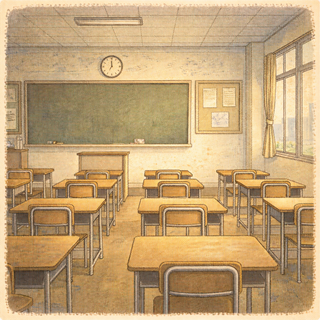
Example 1: Empty classroom
He arrived early.
The classroom was still garan,
with only the clock ticking.
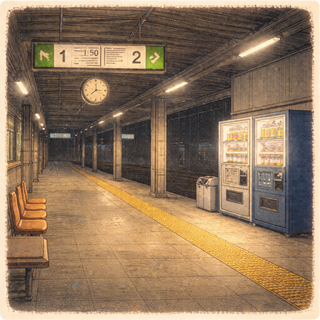
Example 2: Quiet train station
The last train had gone.
The station felt garan —
just echoes and vending machines.
Cultural Note
In English, you might say:
- “Echoing”
- “Empty”
- “Vacant”
But garan adds a kind of quiet spaciousness,
a soft resonance of physical and emotional emptiness —
sometimes peaceful, sometimes lonely.
Used often in novels or manga to create atmosphere.
Watch & Feel the “Garan” World!
Feel the “Garan” — An Empty Room

Try Using It!
When a space feels completely empty —
like something should be there, but isn’t…
Try saying:
Garan…
And feel the stillness echo.













Comments