
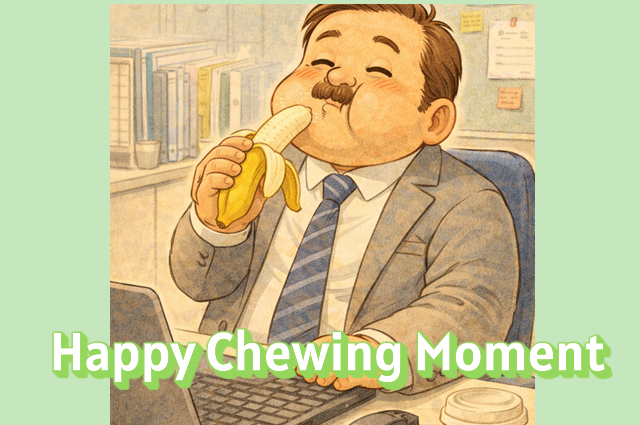
Some eating moments are loud and messy —
but others are quiet, steady, and strangely comforting.
No slurping. No rushing.
Just soft chewing, one bite at a time.
It’s the kind of moment that feels peaceful, focused… and a little adorable.
English gives us words like “chew,” “munch,” or even “nom nom.”
But what if there were a word that captured not just the action —
but the mood of eating?
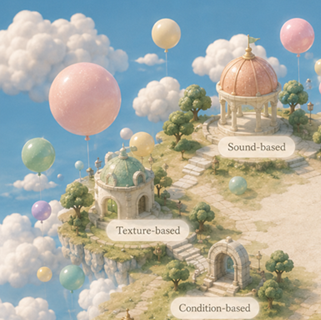
What Is a “Chewing” Moment?
It’s the scene where someone is enjoying their food bite by bite —
not rushing, not slurping — just calmly and steadily chewing.
In anime and manga, this happens when:
- a child eats rice balls with puffed cheeks
- a bear munches on honey under a tree
- a quiet character enjoys snacks while listening
- someone eats with such focus, it’s kind of adorable
In English, these moments are described as:
- Chew / Munch – The basic act of chewing food
- Nom Nom – A playful or childlike way to say “eating”
- Nibble – Taking small bites
- Chomp Chomp – Bigger, cartoonish bites (but less calm than mogu mogu!)
But none of these fully express the texture, emotion, and rhythm of the moment.
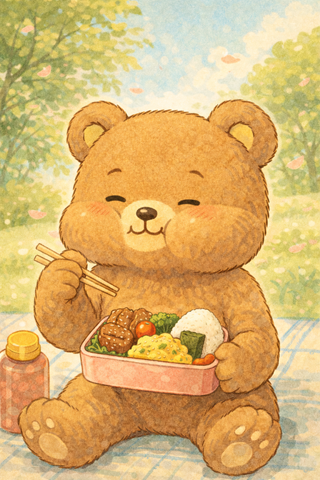
If You Had to Say It in One Word… Try “Mogu Mogu”
In Japanese, there’s a gentle and rhythmic onomatopoeic expression for this exact moment:
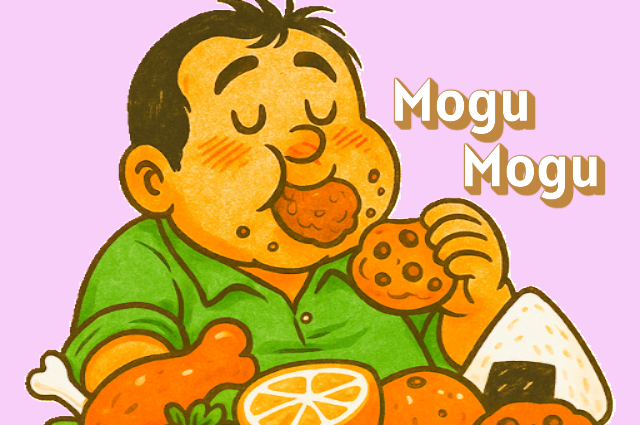
mogu mogu (もぐもぐ) — the calm, repeated motion of chewing something with quiet enjoyment.
It’s one of the many magical sound-based expressions in Japanese known as onomatopoeia,
where repetition reflects both motion and feeling.
The soft “mo” sound feels rounded and full —
just like cheeks gently moving as you chew.
With “mogu mogu,” you can describe:
- someone eating quietly
- steady chewing
- or even a peaceful, absorbed moment during a meal
Wouldn’t it be fun to borrow this expression in English too?
Next time you whisper something, try saying this word —
it’s fun and feels just right.
What Does “Mogu Mogu” Really Mean?
Want to explore its pronunciation, nuance, and how it appears in manga, food scenes, and everyday life?
Dive into the following page:





Comments