
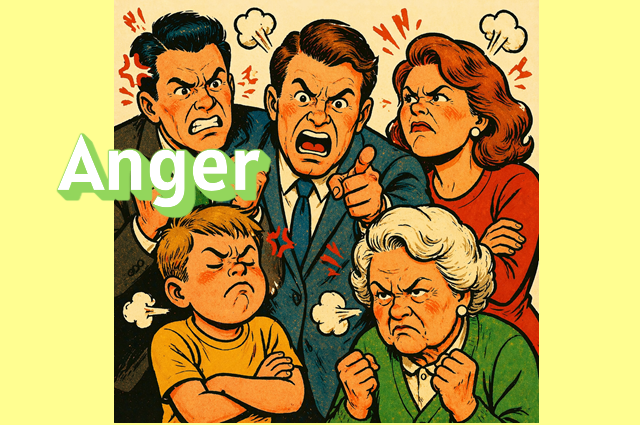
Anger isn’t always loud.
Sometimes it stays inside, building quietly.
Sometimes it shows as irritation in a single moment.
And sometimes, it bursts out like sparks flying in the air.
In Japanese, anger is expressed through a wide range of sound words — each capturing a different level of intensity and emotion.
Each sound carries a slightly different feeling — let’s explore them by intensity.
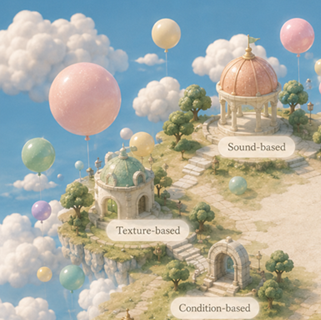
How Anger Sounds in Japanese
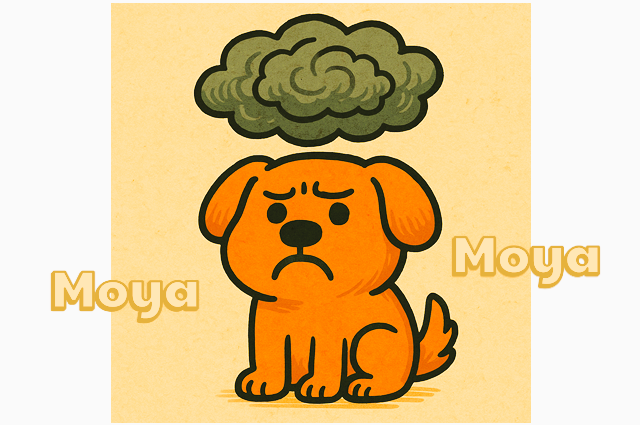
Level 1: Moya Moya (もやもや)
A vague, unclear frustration.
You feel something is wrong, but can’t quite express it.
Level 2: Puri Puri (ぷりぷり)
Mild anger, often short-lived.
It can feel a bit childish or expressive, like puffing your cheeks.

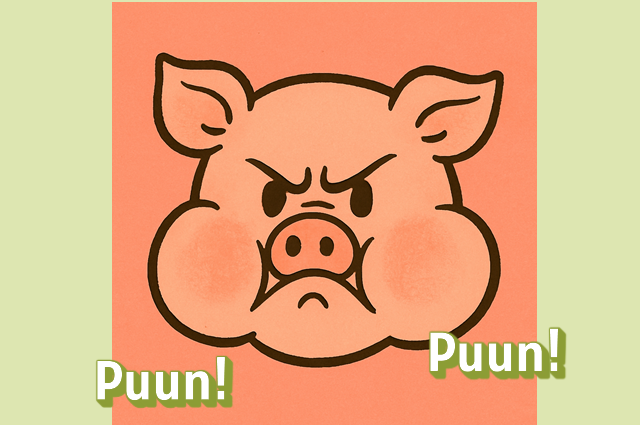
Level 2: Puun Puun (ぷんぷん)
Clearly annoyed and showing it.
Stronger than puri puri, with visible irritation.
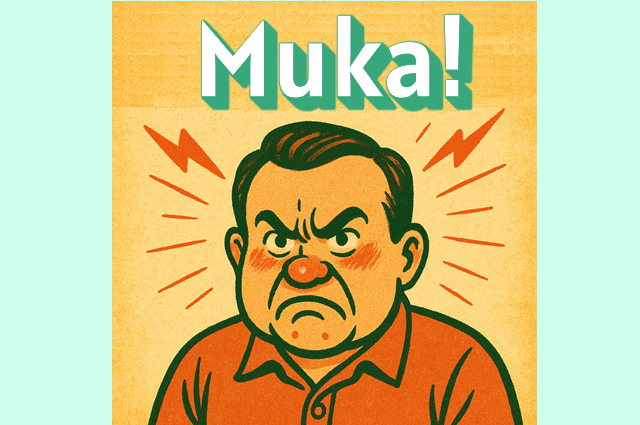
Level 3: Muka (むかっ)
A sudden flash of irritation.
That instant moment when something gets on your nerves.
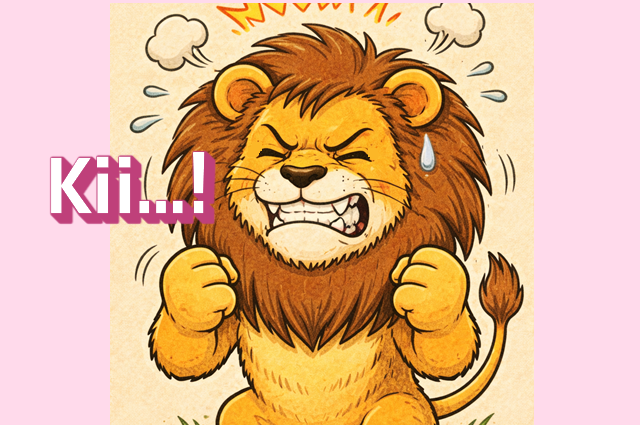
Level 4: Kii! (きぃーっ)
A sharp, high-pitched burst of anger.
Often used when someone loses patience and reacts emotionally.
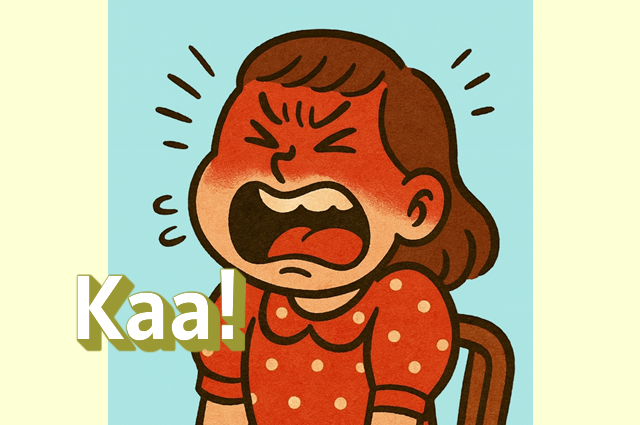
Level 4: Kaa (かーっ)
Anger rising quickly, often with heat.
It feels like your face is flushing with frustration.
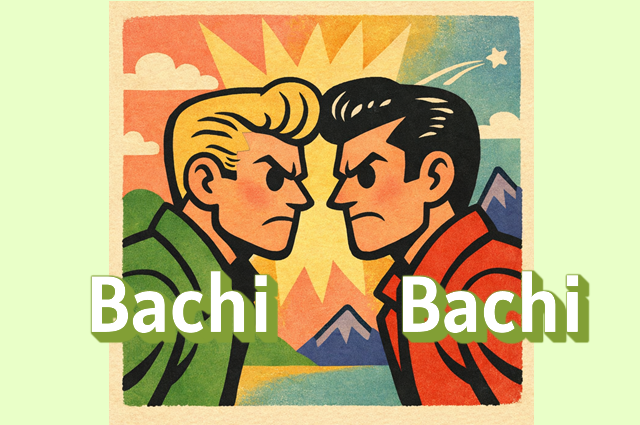
Level 5: Bachi Bachi (ばちばち)
Intense, crackling tension.
Used when anger turns into confrontation — sparks are about to fly.
Try Using It!
Next time you feel irritated, annoyed, or angry —
pause for a moment and think:
What kind of anger is this?
Is it quiet and unclear?
Sudden and sharp?
Or intense enough to spark a clash?
Try expressing it with a Japanese sound word —
you might find it captures the feeling more precisely than expected.




Comments