
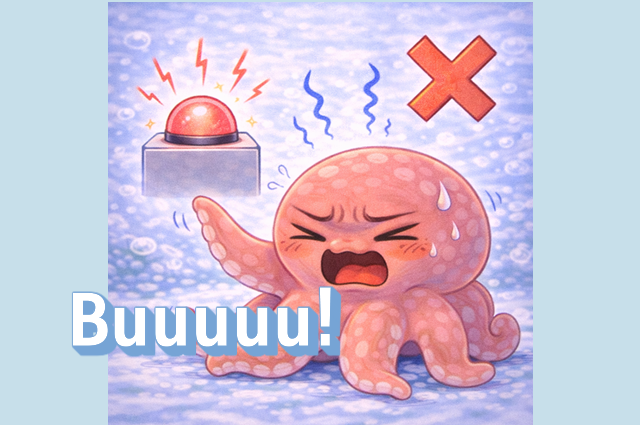
Have you ever answered a quiz question with confidence —
only to hear a disappointing sound?
Instead of a cheerful bell, you hear:
“Buu…” (ブー)
In Japanese games and quiz shows, this sound signals a wrong answer.
Let’s hear how it sounds!
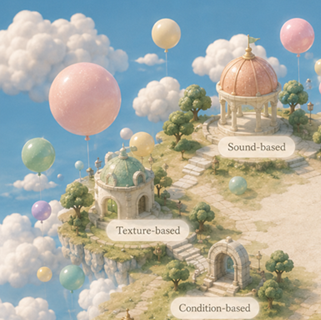
What is “Buu” (ぶー)?
“Buu” is a Japanese sound expression used to indicate an incorrect answer.
It’s commonly heard in:
- Quiz shows
- Game shows
- TV programs
- Classroom quizzes
The sound tells you immediately:
✖ That’s wrong
✖ Incorrect
✖ Try again
Because of this, it often carries a playful but disappointing tone.
Pronunciation
buuuu
(The sound is usually stretched slightly, like a low buzzer.)
Category
Sound
What Does “Buu” Look Like?
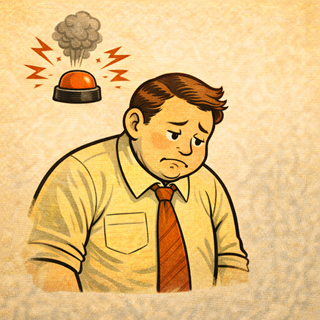
It looks like a quiz contestant scratching their head.
Like a host pressing the wrong-answer buzzer.
Like a disappointed expression appearing on someone’s face.

How Do You Say It?
Say it with a low tone:
Buuuu…
Like a buzzer sound that gently says,
“Sorry, that’s not correct.”
Examples in Daily Life
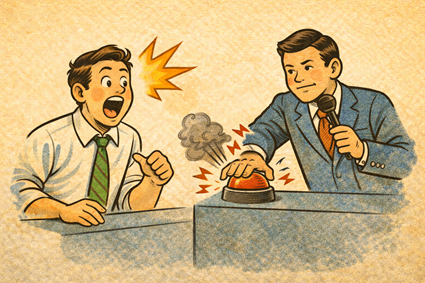
Example 1: Wrong answer in a quiz
The contestant shouted an answer.
The host pressed the buzzer —
buuuu!
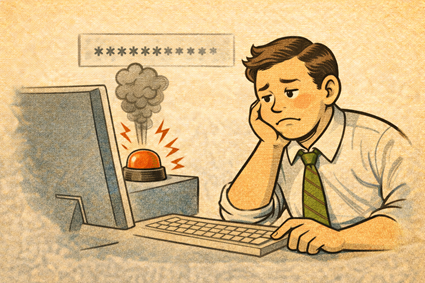
Example 2: Guessing incorrectly
He tried to guess the password.
But it was wrong —
buu…
Cultural Note
In English, you might hear:
- “Buzz!”
- “Wrong!”
- “Incorrect!”
But in Japan, quiz shows often use a very clear sound pair:
ぴんぽーん (Pin Pon) → correct
ぶー (Buu) → incorrect
Because this combination appears so often on TV,
many Japanese people immediately recognize the meaning of the sound.
The sound “buu” can also resemble the English “boo!” used by audiences,
but in Japanese quiz contexts it simply means “wrong answer.”
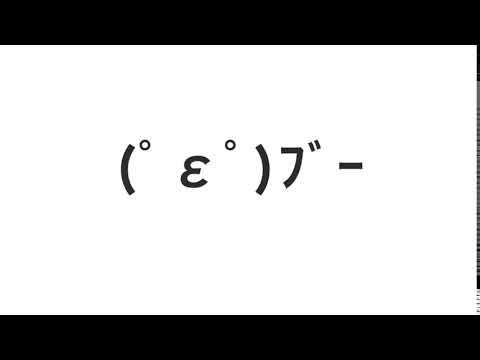
Watch & Feel the “Buu” World!
Feel the “Pin Pon” — The Sound of ”Wrong”
Try Using It!
When someone guesses wrong in a game…
When a quiz answer misses the mark…
When a guess turns out incorrect…
Say it playfully:
Buu〜






Comments