
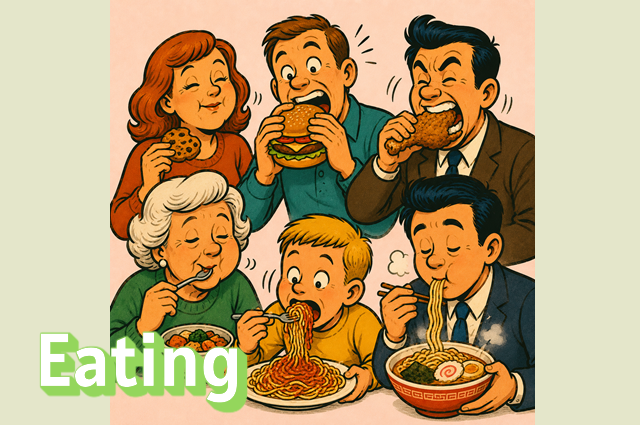
Eating isn’t always the same.
Sometimes it’s calm and quiet.
Sometimes it’s steady and satisfying.
And sometimes, it becomes bold, fast, and full of energy.
In Japanese, the act of eating is expressed through vivid sound words — each capturing a different rhythm, mood, and intensity.
Each sound carries a slightly different feeling — let’s explore them by intensity.
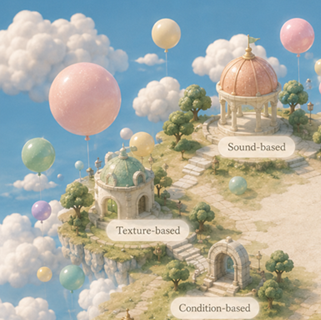
How Eating Sounds in Japanese
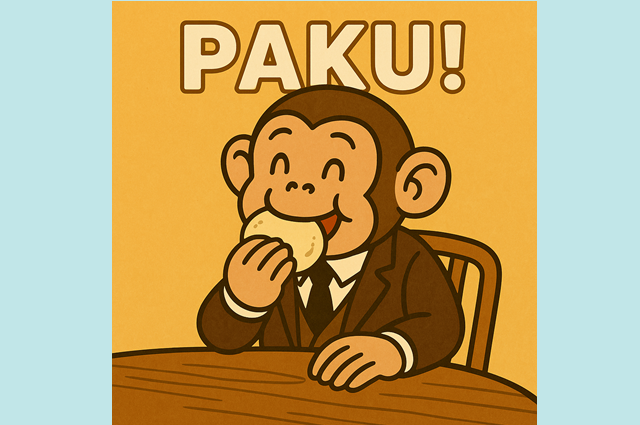
Level 1: Paku (ぱくっ)
A small, single bite.
A quiet and simple moment of eating.
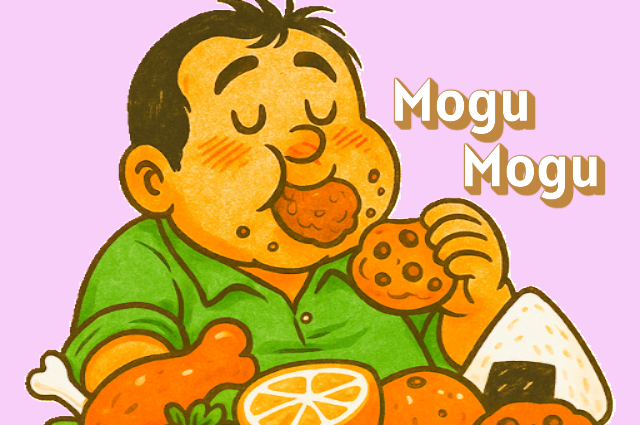
Level 2: Mogu Mogu (もぐもぐ)
Chewing slowly and steadily.
A calm, natural eating rhythm.
Level 3: Paku Paku (ぱくぱく)
Eating repeatedly in small bites.
Light, rhythmic, and often cheerful.
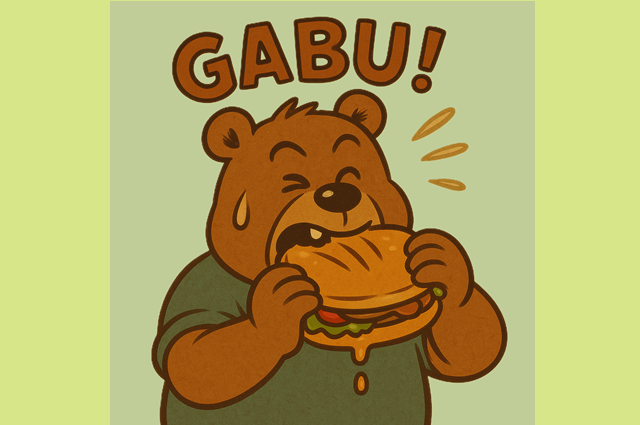
Level 4: Gabu (がぶっ)
A big, bold bite.
More forceful and energetic than paku.
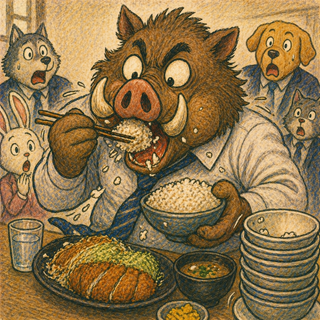
Level 4: Baku Baku (ばくばく)
Eating quickly and eagerly.
Shows strong appetite and momentum.

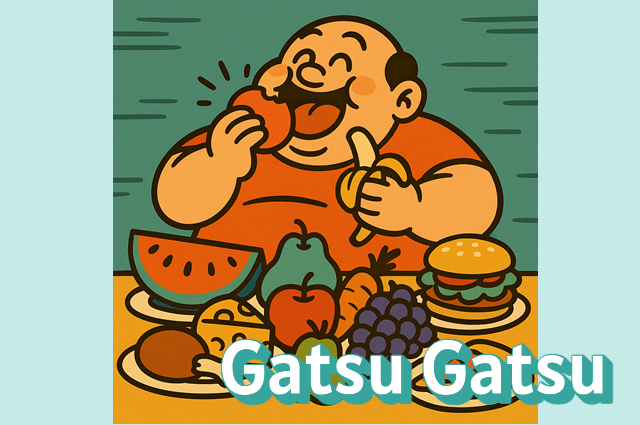
Level 5: Gatsu Gatsu (がつがつ)
Eating roughly and aggressively.
Fast, intense, and almost overwhelming.
Try Using It!
Next time you eat —
pause for a moment and ask yourself:
👉 What kind of eating is this?
Is it quiet and calm?
Light and rhythmic?
Or bold and energetic?
Try expressing it with a Japanese sound word —
you might notice the moment more vividly.






Comments