
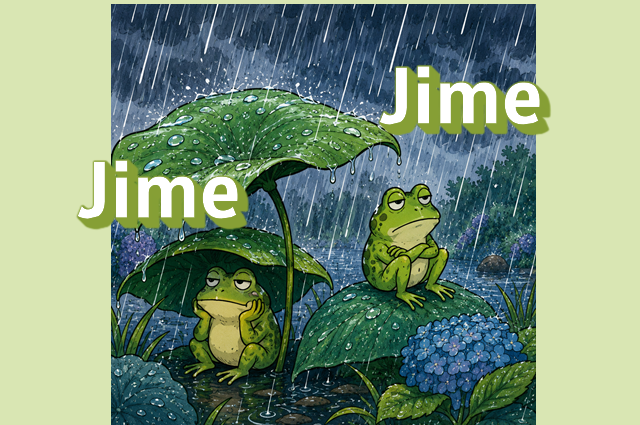
Have you ever walked outside on a humid summer day and immediately felt uncomfortable?
Or entered a damp room that felt heavy with moisture?
That unpleasant, humid feeling in Japanese is expressed as:
“Jime Jime” (じめじめ)
Let’s hear how it sounds!
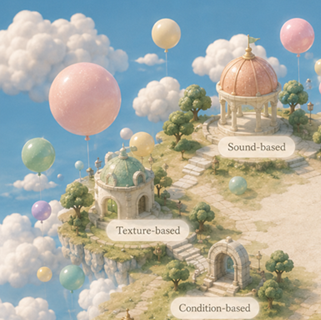
What is “Jime Jime” (じめじめ)?
“Jime Jime” describes:
- Humid, sticky air
- A damp environment that feels unpleasant
- A heavy atmosphere caused by moisture
It often expresses both physical humidity and the uncomfortable feeling that comes with it.
Pronunciation
jee-meh jee-meh
(Say it slowly, as if the air itself feels heavy.)
Categories
Condition
What Does “Jime Jime” Look Like?
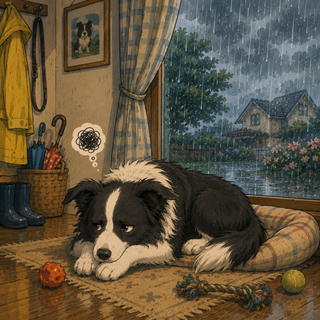
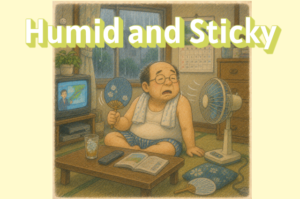
It looks like a rainy season afternoon.
Moist air filling every corner of a room.
Clothes sticking slightly to your skin.

How Do You Say It?
Say it with a tired sigh:
Jime jime…
Like complaining about hot, humid weather.
Examples in Daily Life
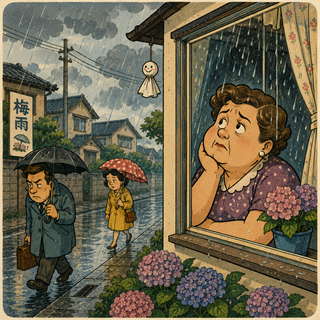
Example 1: The rainy season
The rainy season had begun, and the air felt heavy and sticky —
jime jime…
Everyone was looking forward to sunny days again.
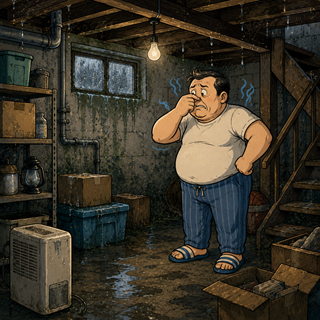
Example 2: A damp basement
The basement felt cool but unpleasantly damp —
jime jime…
The smell of moisture filled the air.
Cultural Note
In English, you might say:
- “Humid”
- “Sticky”
- “Damp”
But “jime jime” combines all of these into a single feeling.
For many Japanese people, it immediately brings to mind the rainy season, when the air feels heavy and everything seems covered in moisture.
It suggests:
Humidity
Discomfort
Heavy, damp air
Compared with similar expressions:
- Shito Shito → gentle, steady rain
- Jime Jime → humid, sticky discomfort
- Jito Jito → something wet and clammy
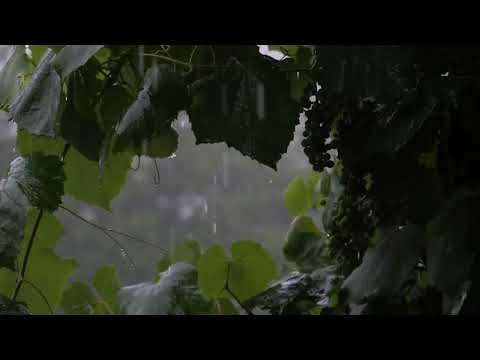
Watch & Feel the “Jime Jime” World!
Feel the “Jime Jime” — A Humid Rainforest
Try Using It!
When the air feels hot and humid…
When a room is damp and uncomfortable…
When moisture seems to be everywhere…
Say it with a weary smile:
Jime jime…
Sometimes the weather isn’t just wet—it feels heavy, too.









Comments