
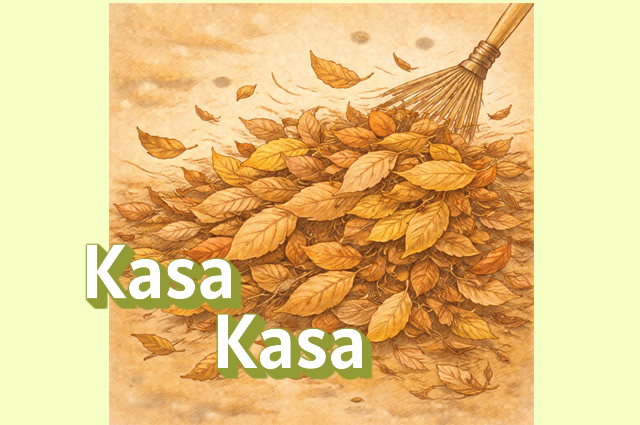
Have you heard the soft sound of dried leaves brushing in the wind?
Or felt your skin a little too dry after winter air?
That’s when the Japanese onomatopoeia “Kasa Kasa” (かさかさ) steps in —
a light and delicate expression of dryness or gentle rustling.
Let’s hear what it sounds like!
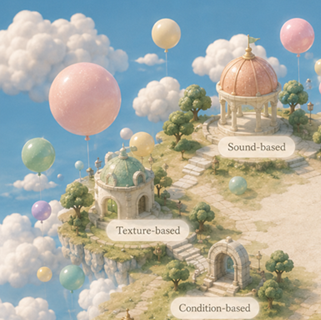
What is “Kasa Kasa” (かさかさ)?
“Kasa Kasa” is a Japanese onomatopoeia that expresses:
- A dry, rough texture — like dry skin or dried paper
- A soft rustling sound — like leaves or dry fabric brushing
- A light, subtle version of “gasa gasa,” with a
While “gasa gasa” often sounds noisy or intense,
“kasa kasa” feels quieter and finer — almost whisper-like.
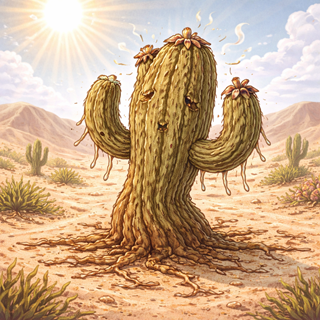
Pronunciation
kah-sah kah-sah
(Say it gently, with short, crisp syllables — like something brushing softly.)
Categories
Sound / Texture / Emotion
What Does “Kasa Kasa” Look Like?
It looks like bare tree branches swaying lightly in winter.
Like dry hands rubbing against each other.
Like a quiet rustle from dry clothes in a closet.

How Do You Say It?
Say it lightly:
Kasa… kasa…
Not loud. Not aggressive.
Just a soft, brushing kind of dryness.
Examples in Daily Life
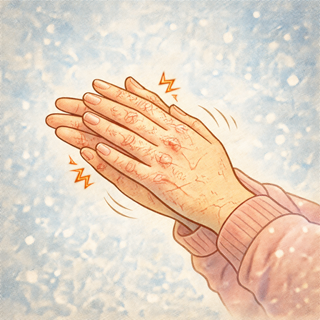
Example 1: Dry winter hands
Her hands were dry from the cold wind,
and when she rubbed them together —
kasa kasa…
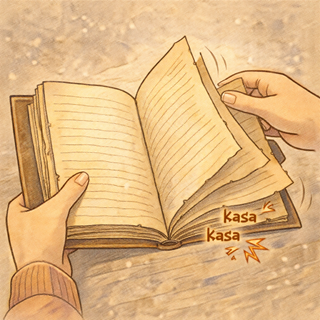
Example 2: Rustling of dry paper
She opened the old notebook,
its dry pages made a faint sound —
kasa kasa…
Cultural Note
In English, we might say:
- “Rustling”
- “Dry”
- “Papery sound”
But in Japanese, “kasa kasa” not only describes the sound,
but also the feel — of dryness, of roughness, of something that needs lotion or moisture!
It’s often used in skincare ads or winter scenes,
and can feel either neutral or slightly negative, depending on context.
Watch & Feel the “Kasa Kasa” World!
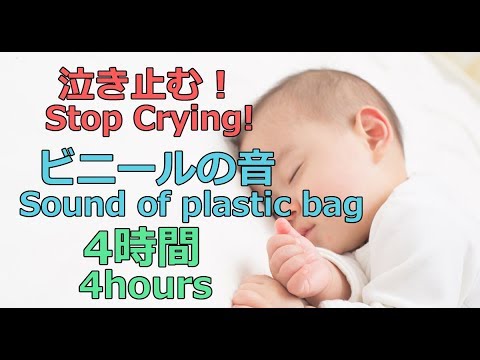
Feel the “Kasa Kasa” — A Plastic Bag
Try Using It!
If your hands are dry?
If your socks make a soft brushing sound on the floor?
If you hear paper rustling gently?
Say it softly:
Kasa kasa…
And maybe… grab some lotion.





Comments