
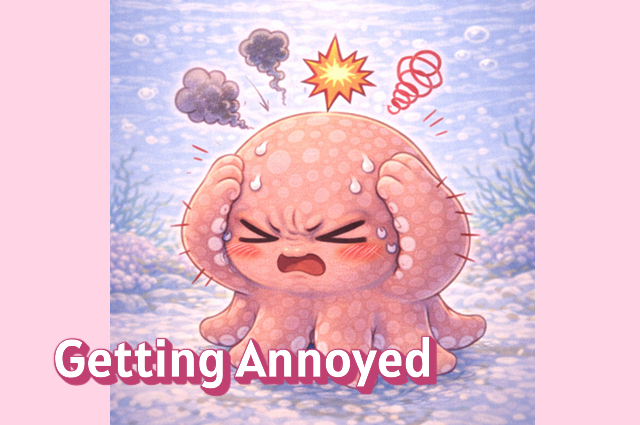
In English, we describe that rising tension as:
- Irritated
- Annoyed
- Frustrated
- On edge
It’s not explosive rage.
It’s that simmering, tightening feeling inside.
The emotional version of an eye twitch.
But how does Japanese capture that restless, prickly frustration with a repeating rhythm?
Let’s step into the world of Japanese onomatopoeia and discover the sound of irritation.
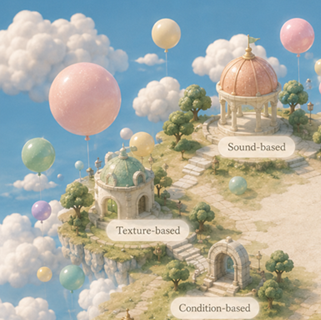
What Is an “Irritated” Moment?
It’s when:
- Someone keeps interrupting you
- Things aren’t going smoothly
- You’re stuck in traffic
- You’re waiting too long
- A small thing keeps bothering you
In English, we might say:
- Irritated – Slightly angry or bothered
- Annoyed – Mildly upset
- Frustrated – Feeling blocked or hindered
- Agitated – Restless and tense
But Japanese gives that emotional tension its own pulse.

How Is This Feeling Expressed in Japanese?
Japanese often uses repeating syllables to express lingering emotional states.
The standout word for irritation and rising frustration is:
“Ira Ira” (いらいら)
It represents that restless, prickly agitation inside you.
Let’s feel how it sounds.
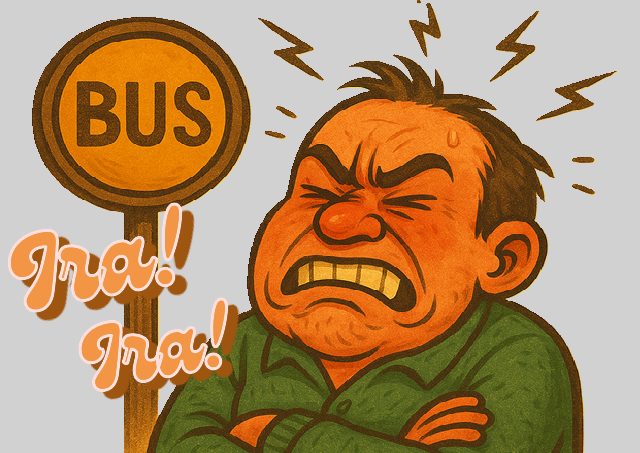
What Is Japanese Onomatopoeia “いらいら (Ira Ira)” ?
“Ira Ira” describes:
Annoyance
- Feeling bothered by small things
- Being short-tempered
- Losing patience
Restless Frustration
- Wanting something to hurry up
- Feeling stuck
- Being edgy or tense
It’s not explosive anger like shouting.
It’s internal heat.
A tightening.
A buzzing under the skin.
Unlike “muka!” (a sudden flare of anger),
“ira ira” lingers and simmers.
Pronunciation
ee-rah ee-rah
Categories
Emotion
Examples in Daily Life
To learn about how it appears in manga or daily conversation, dive into the following page:
Examples






Comments