
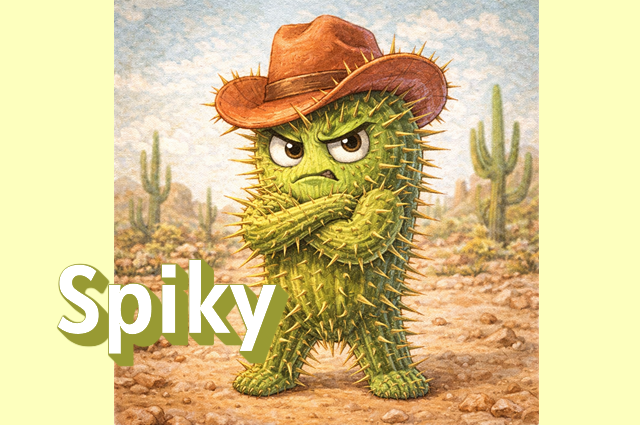
In English, we describe something sharp or unpleasant as:
- Spiky
- Prickly
- Harsh
- Sharp-edged
Sometimes it refers to physical shapes — like thorns, spikes, or cactus needles.
Other times it refers to people — when someone’s mood or attitude feels sharp and unfriendly.
But how does Japanese capture that prickly, uncomfortable sharpness with a repeating rhythm?
Let’s step into the world of Japanese onomatopoeia and discover the sound of spikes.
What Is a “Spiky / Prickly” Moment?
It’s when:
- Something has sharp points
- A cactus or thorn bush looks dangerous
- Someone speaks in a harsh or unfriendly way
- A person is clearly in a bad mood
In English, we might say:
- Spiky – Covered with sharp points
- Prickly – Slightly painful or uncomfortable to touch
- Harsh – Sharp in tone or attitude
- Edgy – Tense or irritable
But Japanese expresses that sharpness with a vivid sound.
How Is This Feeling Expressed in Japanese?
Japanese often uses repeating syllables to describe shapes, textures, and emotional states.
The standout word for something spiky or emotionally sharp is:
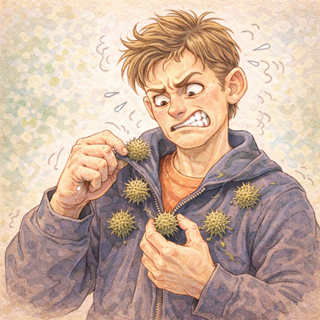
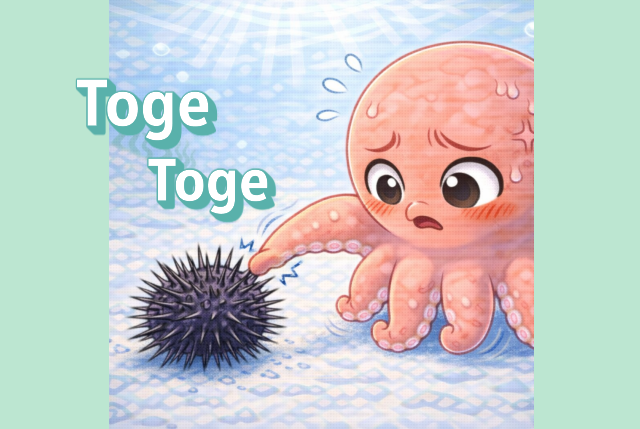
“Toge Toge” (とげとげ)
It represents sharp points — either physical or emotional.
Let’s feel how it sounds.
What Is Japanese Onomatopoeia “Toge Toge (とげとげ)” ?
“Toge Toge” describes:
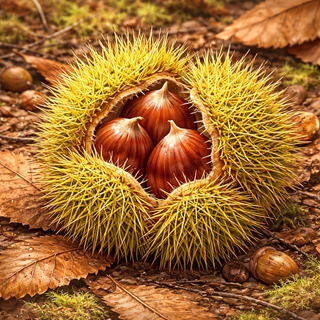
Spiky Shapes
- Thorns
- Cactus needles
- Sharp, pointed objects
Harsh Attitudes
- Someone speaking sharply
- A person in a bad mood
- A tense or unfriendly atmosphere
Unlike softer texture words like “puni puni,”
“toge toge” feels sharp and uncomfortable.
It often carries a slightly negative nuance.
It suggests something that pushes people away.
Pronunciation
to-ge to-ge
(Say it firmly — almost like the word is poking you.)
Categories
Visual / Condition / Emotion / Texture
Examples in Daily Life
To learn about how it appears in manga or daily conversation, dive into the following page:
Examples








Comments