
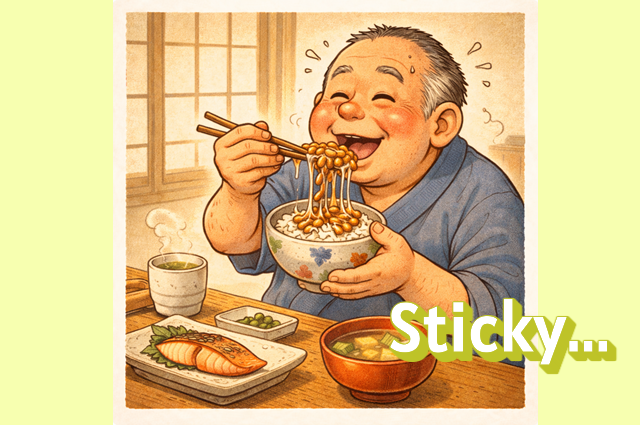
In English, we describe certain textures as:
- Slimy
- Sticky
- Gooey
- Stringy
Especially when talking about food — or something that clings and stretches.
But how is that specific, viscous, stretchy stickiness expressed in Japanese?
Let’s step into the world of Japanese onomatopoeia and discover how this unique texture gets its own sound.

What Is a “Slimy / Sticky” Texture?
It’s not dry.
It’s not crispy.
It’s something that:
- Clings
- Stretches
- Slips
- Feels slightly slippery and viscous
In English, we might say:
- Slimy – Wet and slippery
- Sticky – Clinging or adhesive
- Gooey – Soft and glue-like
- Stringy – Stretching in thin strands
But Japanese captures this texture with a rhythmic repetition.
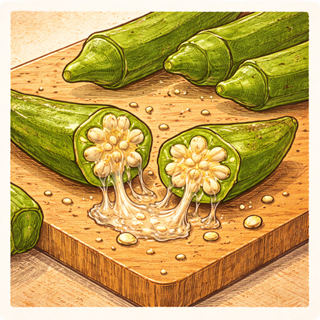
How Is This Texture Expressed in Japanese?
Japanese often uses repeating sounds to describe ongoing sensations.
The standout word for this sticky, viscous texture is:
“Neba Neba” (ねばねば)
It captures that stretchy, slimy stickiness — especially in food.
Let’s feel how it sounds.
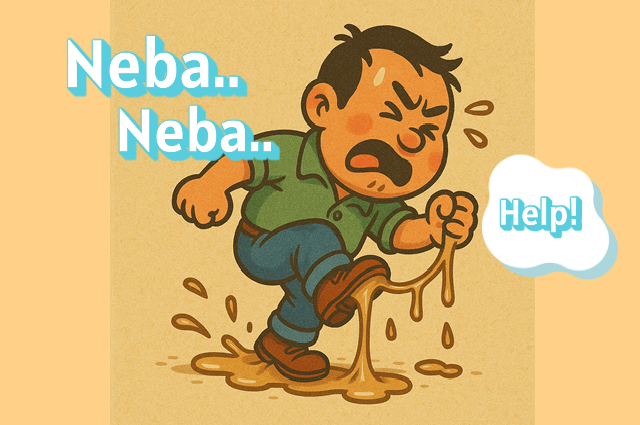
What Is Japanese Onomatopoeia “Neba Neba (ねばねば)” ?
“Neba Neba” describes:
Food textures
- Natto (fermented soybeans)
- Okra
- Grated Japanese yam (tororo)
- Slippery seaweed
These foods stretch in strings and cling slightly when picked up with chopsticks.
Physical texture
- Gluey substances
- Sticky surfaces
Figurative meaning
- A lingering attachment
- A sticky or complicated situation
- Feelings that won’t let go
It often carries a slightly negative nuance —
but in food culture, it can also be seen as healthy and rich.
Pronunciation
neh-bah neh-bah
(Say it with a dragging, clinging rhythm — like something stretching and sticking.)
Categories
Texture / Condition
Examples in Daily Life
To learn about how it appears in manga or daily conversation, dive into the following page:
Examples









Comments