
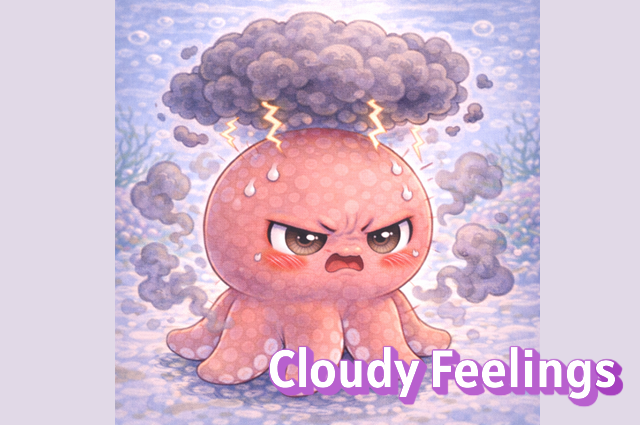
In English, we describe unclear emotional discomfort as:
- Something feels off
- I feel unsettled
- It’s bothering me, but I don’t know why
- Mixed feelings
It’s not sharp anger.
It’s not clear sadness.
It’s that cloudy, unresolved feeling that lingers in your chest.
But how does Japanese capture that emotional fog with a repeating rhythm?
Let’s step into the world of Japanese onomatopoeia and discover the sound of mental haze.
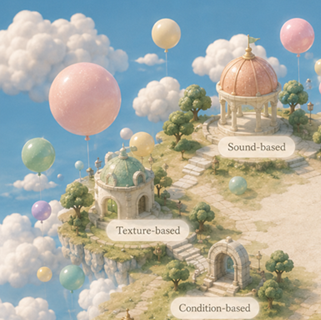
What Is a “Cloudy Feeling” Moment?
It’s when:
- You can’t explain why you’re upset
- A conversation didn’t sit right with you
- You’re stuck between two choices
- Something feels unfinished or unresolved
In English, we might say:
- Unsettled – Slightly disturbed emotionally
- Mixed feelings – Conflicted emotions
- Something feels off – Subtle discomfort
- Lingering doubt – Not fully resolved
But Japanese gives that emotional fog its own rhythm.
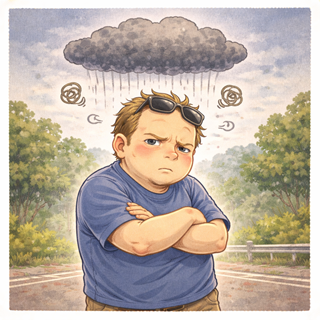
How Is This Feeling Expressed in Japanese?
Japanese often uses soft, repeating syllables to describe spreading sensations.
The standout word for vague, cloudy frustration is:
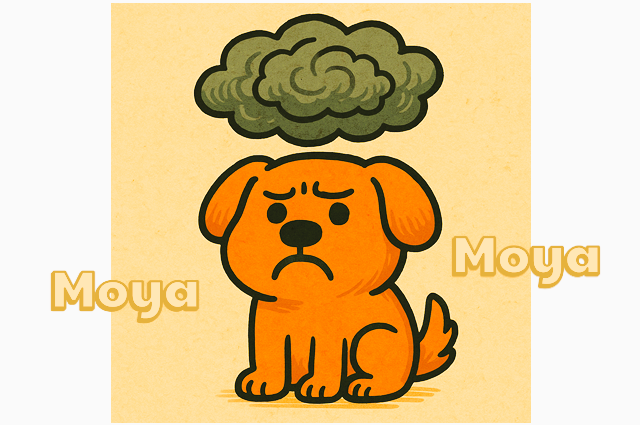
“Moya Moya” (もやもや)
It represents emotional fog — something unclear and unresolved.
Let’s feel how it sounds.
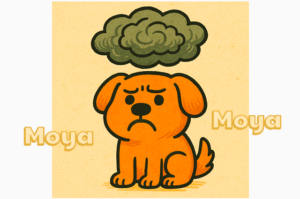
What Is Japanese Onomatopoeia “Moya Moya (もやもや)” ?
“Moya Moya” describes:
Emotional Confusion
- Feeling bothered but not sure why
- Being unable to organize your thoughts
- Lingering discomfort
Mental Haze
- Thoughts that won’t clear
- A decision that feels unresolved
- A cloudy emotional state
It’s softer than irritation.
Less sharp than anger.
Unlike “ira ira,” which simmers with tension,
“moya moya” spreads like fog.
It’s not hot.
It’s cloudy.
Pronunciation
moh-yah moh-yah
Categories
Emotion
Examples in Daily Life
To learn about how it appears in manga or daily conversation, dive into the following page:
Examples









Comments