

Have you ever come home after a long day
and dropped onto the sofa without even changing clothes?
Or walked so much that your legs felt like jelly?
That completely drained feeling in Japanese is:
“Heto Heto” (へとへと)
Let’s hear how it sounds:
What is “Heto Heto” (へとへと)?
“Heto Heto” describes:
- Being completely exhausted
- Feeling physically and mentally drained
- Having no energy left at all
It’s stronger than just “tired.”
It means you’re at the point where you can barely move.
Unlike “bonyari” (foggy) or “dara dara” (lazy),
heto heto means you tried — and now you’re empty.

Pronunciation
heh-toh heh-toh
(Say it breathlessly — like you just ran a marathon.)
Categories
Condition / Emotion
Related Emoji
😩
Related Japanese Kaomoji
(´Д`)
Related Western Smiley
>_<
What Does “Heto Heto” Look Like?
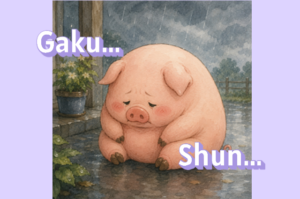
It looks like someone slumped on a bench.
Like a worker loosening their tie after a long day.
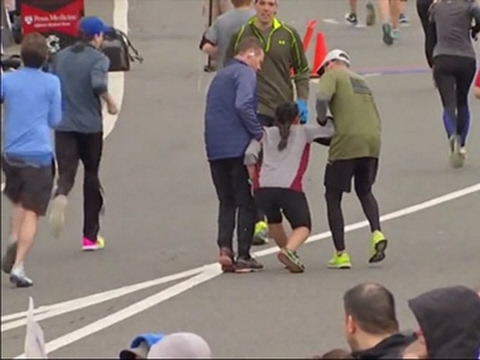
Like a runner collapsing at the finish line.


What Does “Heto Heto” Look Like?
It looks like someone slumped on a bench.
Like a worker loosening their tie after a long day.
Like a runner collapsing at the finish line.
Example in Daily Life
Example: After a long day
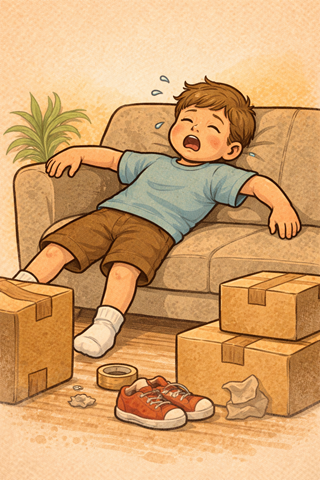
After moving boxes all afternoon,
he fell onto the couch —
heto heto…
Cultural Note
In English, you might say:
- “Exhausted”
- “Dead tired”
- “Wiped out”
But “heto heto” has a physical softness to it —
it sounds like energy has drained out of your body.
It’s often paired with:
- Kura Kuta くたくた (worn out physically)
- Guttari ぐったり (slumped and lifeless)
But heto heto feels very human —
like someone who did their best and now needs rest.
Watch & Feel the “Heto Heto” World!
Feel the “Heto Heto” — An Exhausted Runner
Try Using It!
When you’ve given everything you’ve got…
When your body feels heavy…
When you collapse onto the sofa…
Say it honestly:
Heto heto〜










Comments