
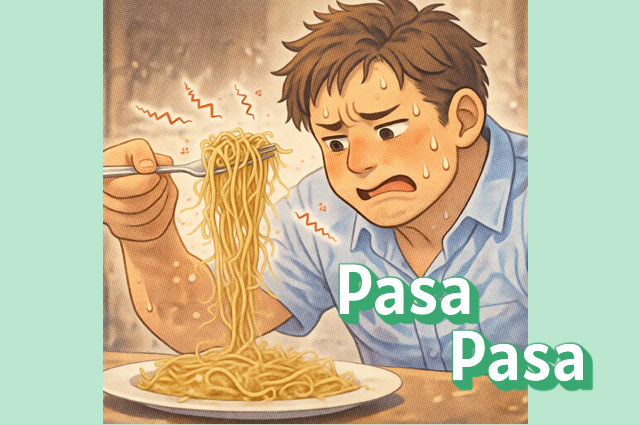
Have you ever eaten bread that feels too dry?
Or touched hair that has lost its moisture?
That dry, crumbly, lifeless feeling in Japanese is expressed as:
“Pasa Pasa” (ぱさぱさ)
Let’s hear how it sounds!
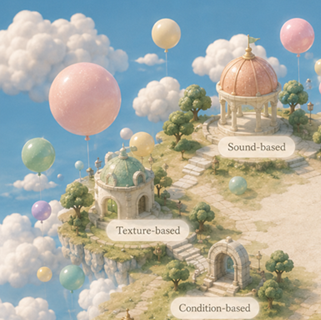
What is “Pasa Pasa” (ぱさぱさ)?
“Pasa Pasa” describes something that is dry and lacking moisture.
It’s commonly used for:
- Food that feels dry and crumbly
- Hair that has lost moisture
- Surfaces or materials that feel rough and dry
The key idea is a lack of water or softness, resulting in a less pleasant texture.
Pronunciation
pah-sah pah-sah
(Say it lightly and dryly — like something without moisture.)
Categories
Texture / Condition
What Does “Pasa Pasa” Look Like?
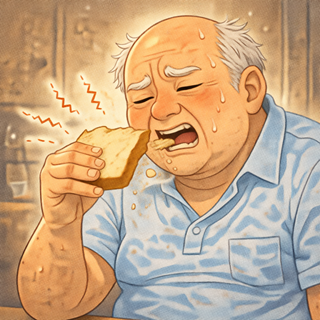
It looks like dry bread that crumbles easily.
Like hair that feels stiff and dull.
Like something that has lost its softness.

How Do You Say It?
Say it lightly and dry:
Pasa pasa…
Like something that breaks apart without resistance.
Examples in Daily Life
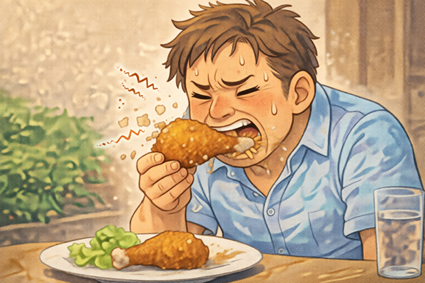
Example 1: Dry food
The chicken looked good,
but when he took a bite —
pasa pasa…
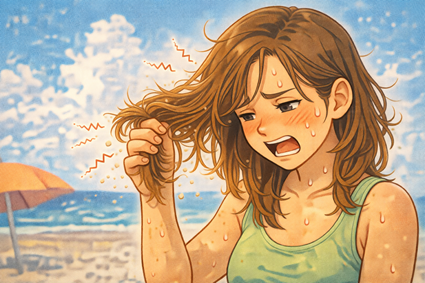
Example 2: Dry hair
After the long day in the sun,
her hair felt rough —
pasa pasa.
Cultural Note
In English, you might say:
- “Dry”
- “Crumbly”
- “Lifeless”
But “pasa pasa” focuses on a sensory experience —
how something feels when it has lost moisture.
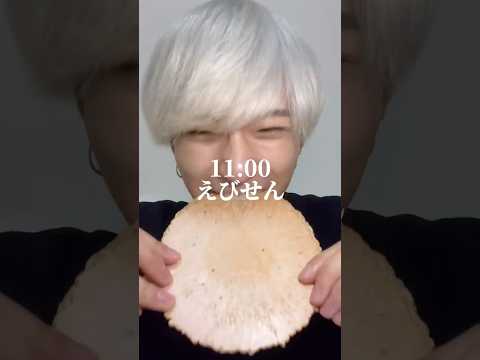
Watch & Feel the “Pasa Pasa” World!
Feel the “Pasa Pasa” — Dry Food
Try Using It!
When food feels too dry…
When your hair lacks moisture…
When something feels lifeless and crumbly…
Say it simply:
Pasa pasa〜




Comments