
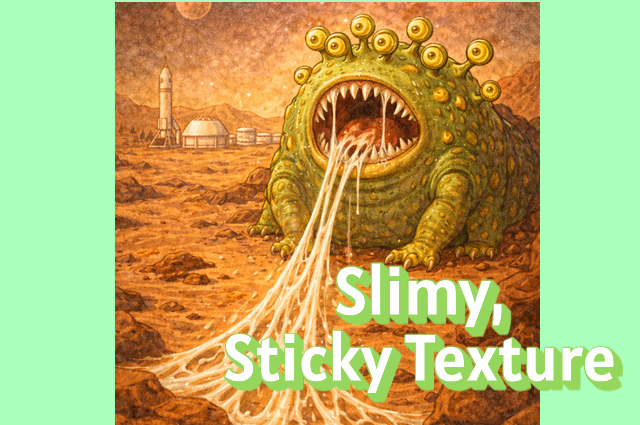
Some textures don’t let go.
They cling.
They stretch.
They follow your movement instead of breaking away.
It’s not crisp. It’s not dry.
It’s something in between — sticky, slippery, and alive.
English gives us words like “slimy,” “sticky,” or “gooey.”
But what if there were a word that captured that entire texture in one sound?
What Is a “Slimy or Sticky” Moment?
It’s not dry.
It’s not crispy.
It’s something that:
- Clings
- Stretches
- Slips
- Feels slightly slippery and viscous
In English, we might say:
- Slimy – Wet and slippery
- Sticky – Clinging or adhesive
- Gooey – Soft and glue-like
- Stringy – Stretching in thin strands
But none of these fully express the texture, emotion, and rhythm of the moment.
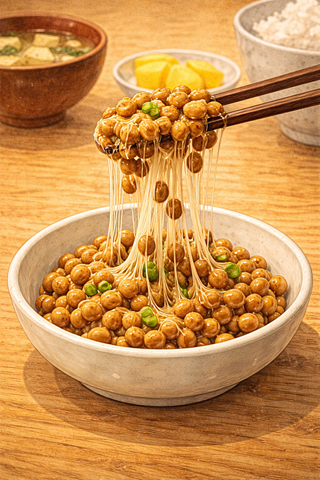
If You Had to Say It in One Word… Try “Neba Neba”
In Japanese, there’s a vivid onomatopoeic word for this sticky, stretchy texture:
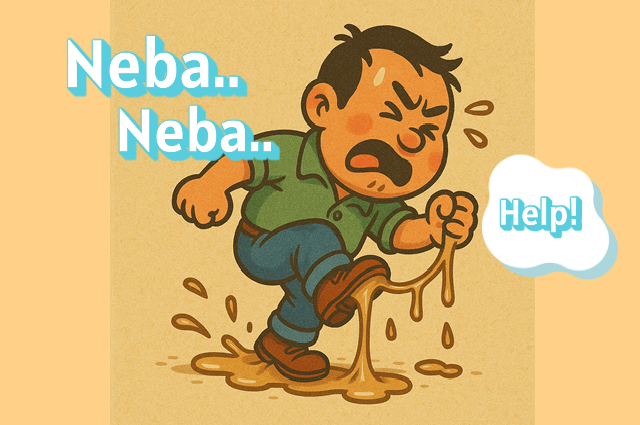
neba neba (ねばねば) — the feeling of something clinging, stretching, and not letting go easily.
It’s one of the expressive sound-based words in Japanese known as onomatopoeia,
where repetition reflects continuous texture and movement.
The “neba neba” sound feels heavy and connected —
like something that stretches instead of snapping.
With “neba neba,” you can describe:
- sticky foods like natto or okra
- viscous textures
- or anything that clings and stretches in a noticeable way
Wouldn’t it be fun to borrow this expression in English too?
Next time you whisper something, try saying this word —
it’s fun and feels just right.
What Does “Neba Neba” Really Mean?
Want to explore its pronunciation, nuance, and how it appears in Japanese food culture and daily conversation?
Dive into the following page:






Comments