
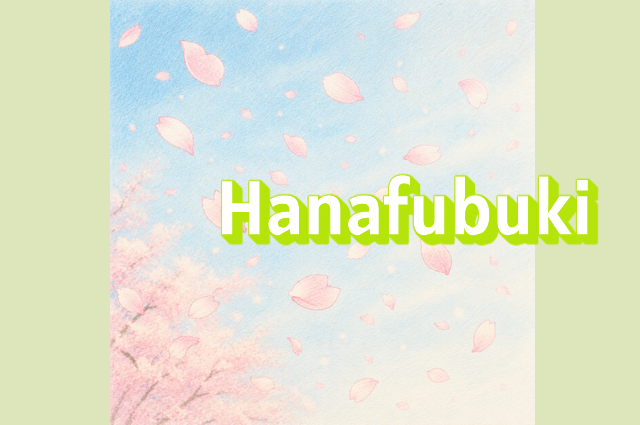
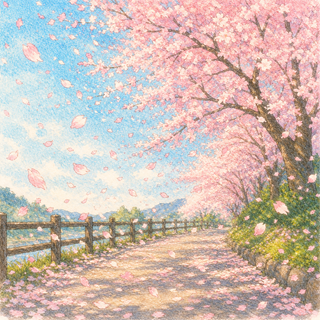
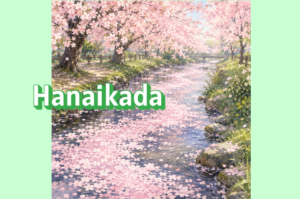
Cherry blossom petals falling from a tree.
That is one way to describe hanafubuki (はなふぶき/花吹雪).
But that description alone does not fully explain the word.
After all, flowers fall everywhere in the world.
Why did Japanese people think this moment was important enough to give it a name?
A Word That Means More Than Its Definition
The word hanafubuki is made up of:
- hana (はな/花) — flower
- fubuki (ふぶき/吹雪) — snowstorm or blizzard
Literally, it means “a flower blizzard.”
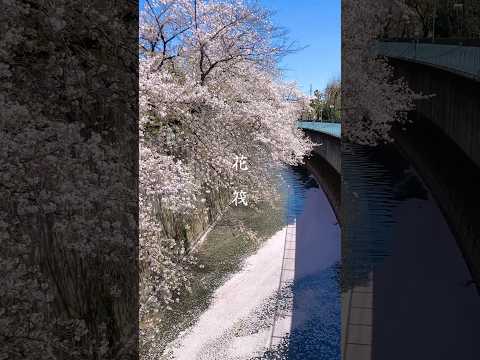
The word describes a scene where countless cherry blossom petals dance through the air, carried by the spring wind.
However, Japanese people do not see hanafubuki as simply flowers falling from a tree.
The word often evokes a much larger experience:
- the beauty of spring
- the passing of time
- the arrival of change
- the awareness that the blossoms will soon be gone
In that sense, hanafubuki is not just a scene.
It is a feeling.
The Onomatopoeic Feelings Hidden Inside
Hanafubuki is not an onomatopoeia.
Yet it can be understood through onomatopoeic feelings.
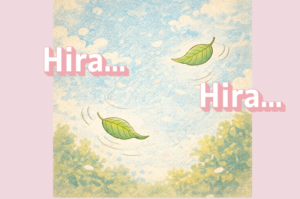
Hira Hira (ひらひら)
Petals drift softly through the air.
Fuwari (ふわり)
The blossoms seem light and weightless.

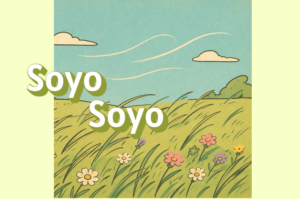
Soyo Soyo (そよそよ)
A gentle spring breeze carries the petals.
Kira Kira (きらきら)
Sunlight sparkles through the moving blossoms.

Together, these feelings create the scene that Japanese people imagine when they hear the word hanafubuki.
A Feeling Beyond Beauty
There is another reason why hanafubuki is special.
Many Japanese people feel something more than simple happiness when they see it.
The blossoms are beautiful.
Perhaps they are at their most beautiful moment.
But they are also disappearing.
The petals floating through the air remind us that spring will soon end.
This feeling is often described by a traditional Japanese idea called mono no aware (もののあはれ).
It is the awareness that beautiful things do not last forever.
And somehow, that makes them even more beautiful.
The Feelings Hidden in the Heart
The scene itself may feel:
Hira hira…
Fuwa fuwa…
But the emotions inside us may feel different.
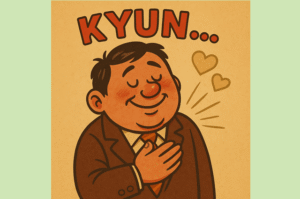
Kyun (きゅん)
A small ache in the heart.
A feeling that is both warm and a little sad.
Uru Uru (うるうる)
Eyes becoming slightly teary from emotion.
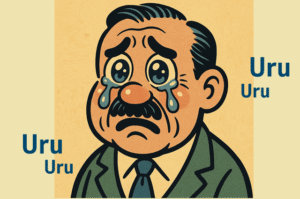
Not because we are unhappy.
But because the moment feels precious.
These feelings are difficult to translate directly.
Yet many Japanese people instinctively understand them when they see a shower of cherry blossom petals.
Why Did Japanese People Give This Moment a Name?
Cherry blossoms bloom for only a short time.
A few days later, the petals begin to fall.
Soon after that, the season is gone.
Perhaps this is why Japanese people gave this moment a name.
Not because it lasts forever.
But because it does not.
The beauty of hanafubuki lies in its fleeting nature.
What Does Hanafubuki Tell Us About Japan?
Many Japanese words describe moments that exist only briefly:
- komorebi
- hanafubuki
- oborozukiyo
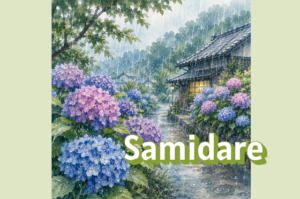
- samidare
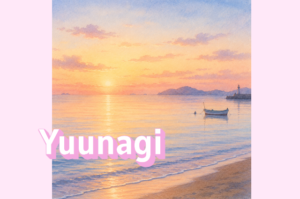
- yuunagi
These words do more than describe nature.
They preserve experiences.
A scene, an emotion, and a season are compressed into a single word.
In that sense, hanafubuki is not simply about flowers.
It is about noticing a beautiful moment before it disappears.
Final Thought
Hanafubuki means cherry blossom petals swirling through the air.
But that is only the beginning.
The real meaning may be found in the feelings hidden inside the scene:
hira hira…
soyo soyo…
kyun…
uru uru…
Perhaps that is why Japanese people thought this moment was important enough to give it a name.




Comments