
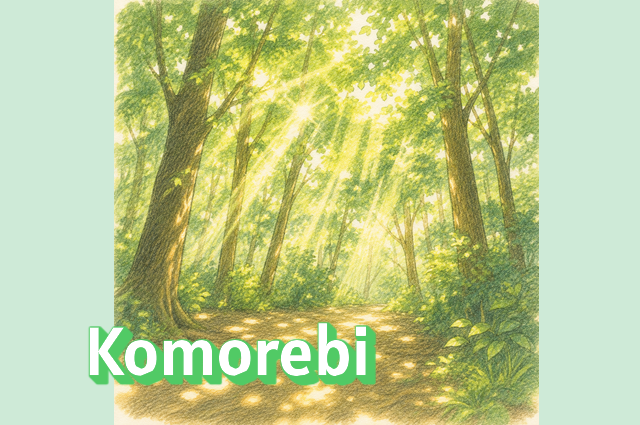
Sunlight filtering through the leaves of a tree.
That is the dictionary definition of komorebi (こもれび/木漏れ日).
But that definition alone does not fully explain the word.
After all, sunlight shines through trees everywhere in the world.
Why did Japanese people think this moment was important enough to give it a name?
A Word That Means More Than Its Definition
The word komorebi is made up of:
- ko (こ/木) — tree
- more (もれ/漏れ) — leaking through
- bi (び/日) — sunlight
Literally, it means sunlight leaking through the leaves of a tree.
However, when Japanese people hear the word komorebi, they do not simply imagine sunlight.
They often imagine a peaceful scene:
- leaves moving gently in the wind
- shifting shadows on the ground
- soft sunlight dancing between branches
- a quiet feeling of comfort
In other words, komorebi describes not only a visual phenomenon, but also an experience.
The Onomatopoeic Feelings Hidden Inside
Komorebi is not an onomatopoeia.
Yet it can be understood through onomatopoeic feelings.
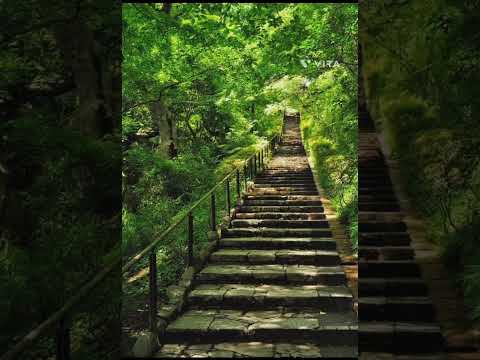
When Japanese people imagine komorebi, they may unconsciously feel:
Kira Kira (きらきら)
The sunlight sparkles between the leaves.

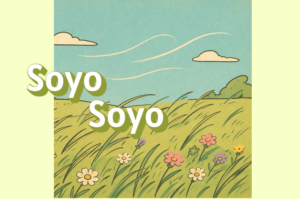
Soyo Soyo (そよそよ)
A gentle breeze moves the branches.
Yura Yura (ゆらゆら)
The light and shadows sway softly.

Sara Sara (さらさら)
Leaves rustle quietly overhead.

These words are not part of komorebi itself.
But together they help create the feeling that the word carries.
Why Did Japanese People Give This Moment a Name?

Sunlight through trees exists everywhere.
Yet not every language has a common everyday word for it.
The interesting question is not:
“What is komorebi?”
The interesting question is:
“Why did Japanese people think this moment was important enough to give it a name?”
Perhaps it reflects a tendency to notice small changes in nature.
Perhaps it reflects a culture that values quiet moments.
Or perhaps it is something else entirely.
There is no single answer.
But the existence of the word itself tells us something about what people noticed and remembered.
What Does Komorebi Tell Us About Japan?
Many Japanese words describe moments that might seem too small to name:
- komorebi (sunlight through leaves)
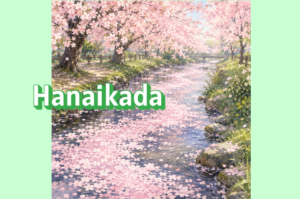
- hanabira fubuki (a storm of cherry blossom petals)
- yuunagi (the evening calm)
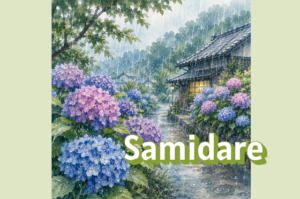
- samidare (early summer rain)
These words do more than describe nature.
They capture experiences.
A moment, a feeling, and a scene are compressed into a single word.
In that sense, komorebi is not just a word.
It is a small window into how Japanese people see the world.
Final Thought
Komorebi means sunlight filtering through the leaves of a tree.
But that is only the beginning.
The real meaning may be found in the feelings hidden inside the word:
kira kira…
soyo soyo…
yura yura…
Perhaps that is why Japanese people thought this moment was important enough to give it a name.









Comments