
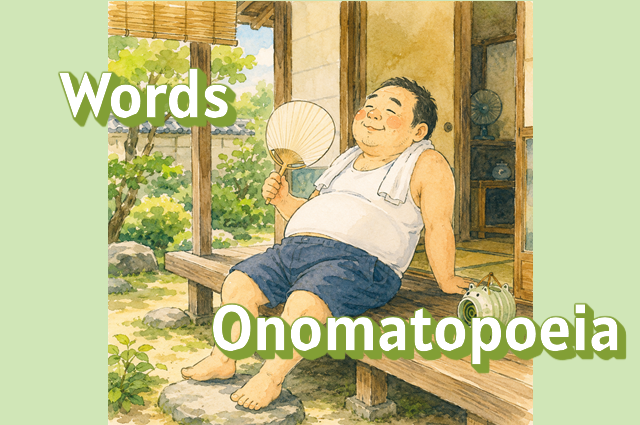
This website began as a dictionary of Japanese onomatopoeia.
Words like kira kira, doki doki, and soyo soyo help express sounds, feelings, movements, and sensations.
But after exploring hundreds of onomatopoeic expressions, we noticed something interesting.
Some Japanese words are not onomatopoeia at all.
Yet they seem to contain onomatopoeic feelings.
Words such as komorebi (sunlight filtering through leaves), hanafubuki (a storm of cherry blossom petals), and oborozukiyo (a hazy moonlit night) are good examples.
They are not onomatopoeia themselves.
However, they often feel as if words like kira kira, hira hira, soyo soyo, or shiiin are hidden inside them.
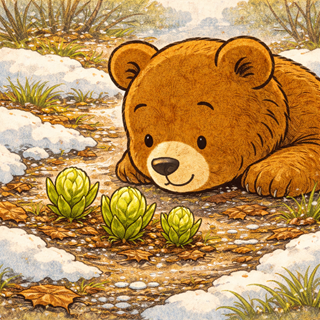
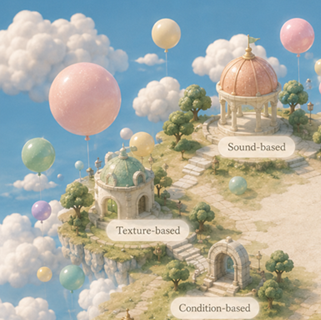
What Feelings Are Hidden Inside Japanese Words?
Sunlight through trees exists everywhere.
Cherry blossom petals fall everywhere.
The moon appears behind thin clouds everywhere.
Yet Japanese people thought these moments were important enough to give them names.
That idea is what inspired the pages to be posted under Words Explained Through Onomatopoeia.
Rather than focusing on dictionary definitions alone, Words Explained Through Onomatopoeia explores the feelings, atmosphere, and cultural ideas that may be hidden inside certain Japanese words.
Sometimes the answer may be connected to nature.
Sometimes to the seasons.
Sometimes to emotions and memories.
And sometimes simply to the way people experience the world.
A Small Window Into Japanese Ways of Seeing
The goal of Words Explained Through Onomatopoeia is not to provide definitive answers.
Instead, it is an invitation to look more closely.

What makes a moment memorable?
What feelings can be hidden inside a familiar word?
And what can we discover about Japanese by exploring words through onomatopoeia?
Perhaps these words are more than vocabulary.
Perhaps they are small windows into how Japanese people have seen and felt the world for generations.






Comments