

Have you ever solved a difficult problem and turned to your friends with a proud little smile?
Or seen someone strike a triumphant pose, as if silently saying, “Well? Impressed?”
That playful moment of showing off your achievement with a confident, self-satisfied expression can be captured in Japanese as:
“Doya!” (どやっ!)
Let’s hear how it sounds!
What is “Doya!” (どやっ!)?
“Doya!” is a casual Japanese expression that conveys:
- A proud, self-satisfied expression after accomplishing something
- A confident attitude that seems to say, “How about that?”
- A playful or exaggerated display of pride, sometimes with a slightly smug feeling
Although “doya!” is not technically an onomatopoeia, it can vividly suggest someone’s facial expression or attitude, almost as if it were a Japanese mimetic word.
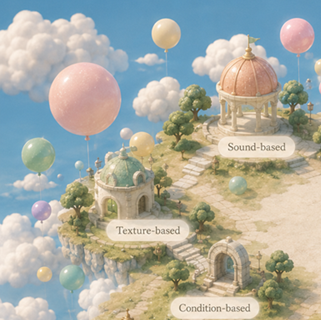
That is why it belongs to Puni Puni Dictionary’s Almost Onomatopoeia category.

Pronunciation
do-ya!
(Say it briefly and confidently, with a little emphasis at the end, as if proudly showing off something you have just accomplished.)
Category
Almost Onomatopoeia
What Does “Doya!” Look Like?
A student proudly showing off a perfectly completed assignment.
Someone folding their arms and smiling confidently after winning a game.
A person raising their eyebrows with a smug little grin, waiting for everyone to be impressed.
どやっ!
How Do You Say It?
Say it with a confident, slightly playful tone:
Doya!
Imagine finishing something difficult, turning toward your friends, and giving them a proud smile that says, “See what I did?”
Example in Daily Life
Example: Showing off after solving a difficult puzzle
Everyone had been struggling with a difficult puzzle for nearly an hour. Then one person suddenly figured out the answer.
He placed the completed puzzle on the table, folded his arms, and looked around with a triumphant grin —
Doya!

Cultural Note
In English, you might say:
- “How about that!”
- “Pretty impressive, huh?”
- “Look what I did!”
But “doya!” has an interesting background.
It comes from “doya” (どや), a Kansai dialect expression meaning something like “How about it?” or “What do you think?” It is related to the standard Japanese expression “dō da?” (どうだ?).
Originally, it is a spoken expression rather than an onomatopoeia. However, it is also used playfully to represent the proud or smug expression someone makes when showing off an achievement.
In Japanese, the phrase “doya-gao” (どや顔) refers to this kind of self-satisfied face. The expression often carries a humorous tone, especially when someone’s pride seems a little exaggerated.
Interestingly, “doya!” can work almost like a visual caption. Place it beside a character wearing a smug grin, and readers can immediately imagine the character’s attitude.
This makes it a fascinating example of Almost Onomatopoeia. It does not imitate a sound or directly describe a physical state in the way traditional onomatopoeia and mimetic words do. Yet it can communicate an entire expression and attitude in one short, vivid burst.
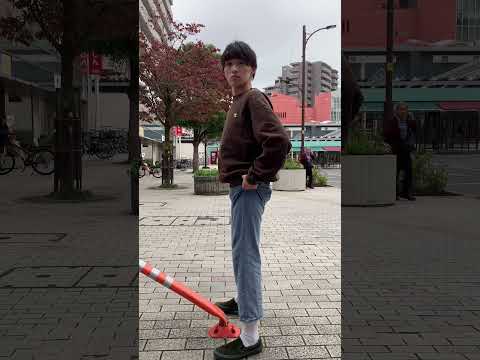
Watch & Feel the “Doya!” World!
Feel the “Doya!”
Try Using It!
When someone proudly shows off an achievement…
When a friend gives you a smug grin after winning a game…
When a character strikes an exaggerated, self-satisfied pose…
Say it with a playful, confident flourish:
Doya!
“Doya!” captures that unmistakable moment of pride — when a person’s expression seems to say, “Well? Aren’t you impressed?”







Comments