
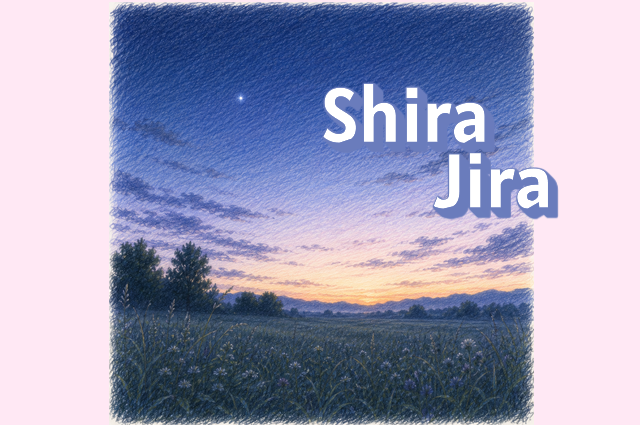
Have you ever woken up just before sunrise, when the world slowly begins to brighten?
The sky isn’t blue yet, but darkness is quietly fading.
Japanese has a beautiful expression for this peaceful moment:
“Shira Jira” (しらじら / 白々)
Although it isn’t considered a true Japanese onomatopoeia, it shares something important with one.
Let’s hear how it sounds!
What is “Shira Jira” (しらじら / 白々)?
“Shira Jira” describes:
- The sky gradually becoming pale before sunrise
- The gentle transition from darkness to light
- A quiet, faintly bright atmosphere
Rather than describing a bright white color, it captures the delicate moment when night slowly gives way to morning.
Pronunciation
shee-rah jee-rah
(Say it softly, like the quiet arrival of dawn.)
Category
Visual

What Does “Shira Jira” Look Like?
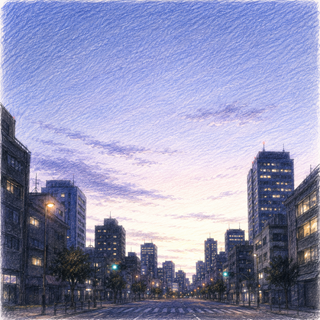
It looks like the eastern sky beginning to glow before sunrise.
The stars slowly fading from view.
A quiet landscape waiting for the day to begin.

How Do You Say It?
Say it gently:
Shira jira…
Like watching darkness quietly disappear.
Examples in Daily Life
Example: Before sunrise
The eastern sky slowly grew pale as morning approached —
shira jira…
The world quietly welcomed a new day.
Cultural Note
“Shira Jira” is not considered a traditional Japanese onomatopoeia.
Instead, it belongs to what we call Almost Onomatopoeia—expressions that aren’t true onomatopoeia but share its rhythmic, expressive style.
Unlike expressions such as aka aka or ao ao, which emphasize vivid color and vitality, shira jira expresses something much quieter.
It doesn’t describe brilliant white.
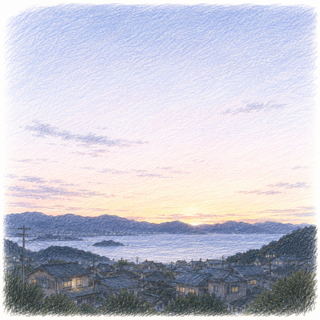
Instead, it evokes the soft, pale light that gently appears before sunrise, creating a calm atmosphere rather than a dramatic scene.
It suggests:
Gentle light
Quietness
The beginning of a new day
Watch & Feel the “Shira Jira” World!
Feel the “Shira Jira” — Before Sunrise

Try Using It!
When the night quietly begins to fade…
When the eastern sky grows softly pale…
When morning arrives almost without a sound…
Say it gently:
Shira jira…
Sometimes the quietest colors tell us that time is moving.











Comments