
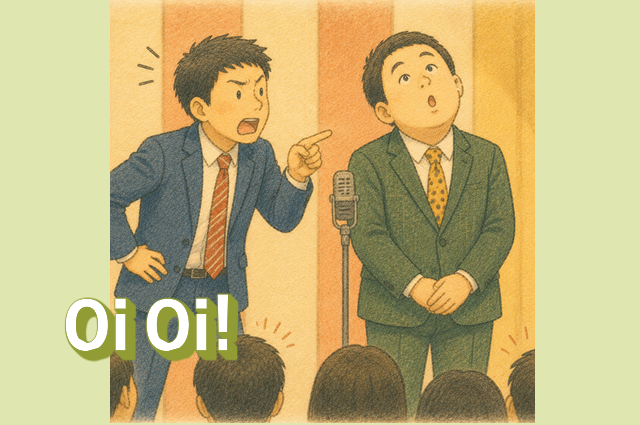
Have you ever seen a friend do something silly and thought, “Seriously?”
Or heard unexpected news that made you shake your head with a smile?
A very Japanese way to react is:
“Oi Oi…” (おいおい)
Let’s hear how it sounds!
What is “Oi Oi” (おいおい)?
“Oi Oi” is used to express:
- Mild surprise
- Playful disbelief
- A gentle complaint or teasing reaction
It’s often used with a smile rather than real anger.
Pronunciation
oh-ee oh-ee…
(Say it like you’re shaking your head in amusement.)
Categories
Emotion
Related Emoji
🤦
😅
Related Japanese Kaomoji
( ̄▽ ̄;)
(^_^;)
Related Western Smiley
XD
😛
What Does “Oi Oi” Look Like?
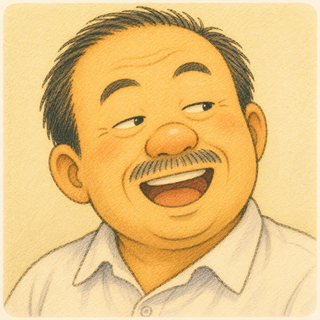
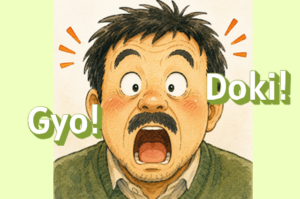
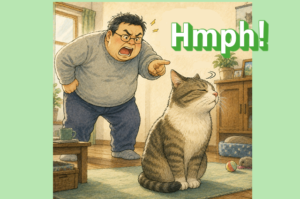
It looks like someone putting a hand to their forehead.
Friends laughing at an unexpected mistake.
Someone saying, “Come on!” without really being upset.

How Do You Say It?
Say it with a smile and a little sigh:
Oi oi…
Like reacting to a friend’s harmless trouble.
Example in Daily Life
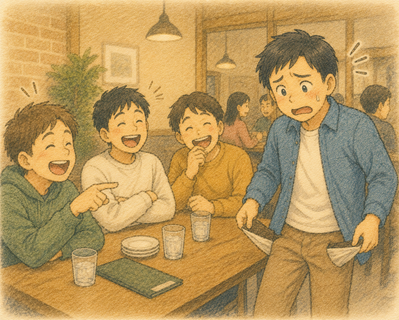
Example: Forgetting a wallet
His friend arrived at the restaurant and realized he had forgotten his wallet —
oi oi…
Everyone laughed at the situation.
Cultural Note
“Oi oi” is another example of an Almost Onomatopoeia.
It doesn’t imitate a sound or movement in the usual sense.
Instead, it turns a human reaction into a memorable sound that people instantly understand.
Japanese speakers often use it to soften criticism with humor.
It suggests:
Surprise
Friendly teasing
Mild disbelief
Compared with similar expressions:
- Ōi! → calling to someone
- Oi Oi → reacting with playful disbelief
- Wai! → a cheerful shout of happiness
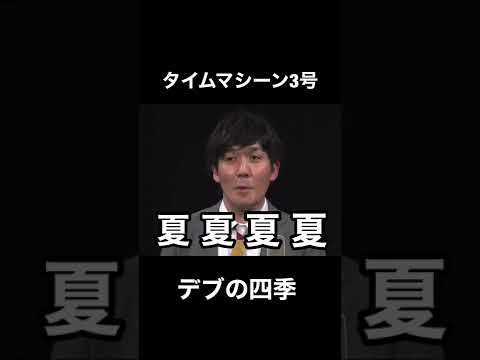
Watch & Feel the “Oi Oi” World!
Feel the “Oi Oi” — Manzai
Try Using It!
When a friend does something silly…
When a small mistake makes everyone laugh…
When you’re surprised but not really upset…
Say it with a grin:
Oi oi…
Sometimes a little teasing is part of good friendship.







Comments