

Imagine a bowl of ramen with oily broth, fatty pork, and garlic punch.
Or a sauce so rich, you can’t finish the plate.
That’s when “Kotteri” (こってり) comes in — a Japanese word that describes richness, especially in flavor or texture.
It’s not technically an onomatopoeia, but doesn’t “Kotteri” sound like one?
Before we dive in, say it slowly and deeply:
Kotteri…

What is “Kotteri” (こってり)?
“Kotteri” is used to describe:
Sometimes used metaphorically for overly heavy styles
→ Like a painting or decoration that feels too much.
Rich or oily food
→ Tonkotsu ramen? Definitely kotteri.
Thick sauces or dense tastes
→ Creamy pasta, spicy stew, or layered desserts.
Nuance:
Thick. Fatty. Flavorful. Sometimes overwhelming.
Pronunciation
koh-teh-rree
(A soft but full rhythm — slow and indulgent)
Category
Texture
What Does “Kotteri” Look Like?
- Ramen with a thick broth that clings to the noodles
- Food that makes you feel full after a few bites
- Flavor that lingers

How Do You Say It?
Say it with a smile — like you’re eating something creamy:
Examples in Daily Life
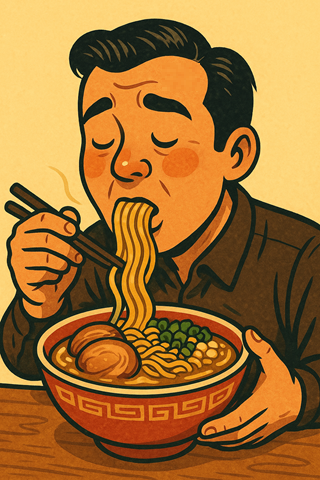
Example 1: Rich ramen
He slurped the first bite —
Kotteri tonkotsu flavor filled his mouth.
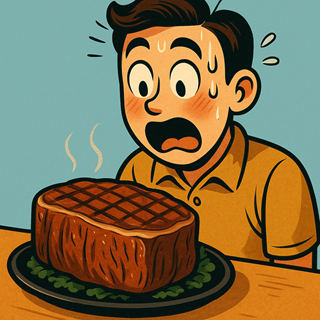
Example 2: Over-the-top taste
This dish is a bit too kotteri for me…
Maybe next time, I’ll go for something lighter.
Cultural Note
“Kotteri” often appears in contrast to “Assari” (light flavor).
Menus in Japan even describe items as “kotteri” or “assari” to help customers choose.
In English, it’s somewhere between:
- “Rich”
- “Heavy”
- “Greasy (but delicious!)”
So next time you see a ramen poster that says “こってり”, you know what to expect — a flavorful punch!
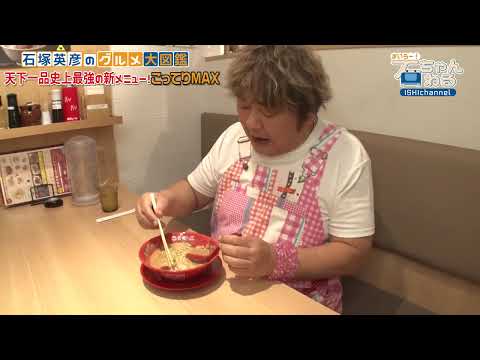
Watch & Feel the “Kotteri” World
Feel the “Kotteri” — Oily, rich-flavored ramen
Try Using It!
Looking for deep, oily, flavor-packed food?
Or describing a taste that hits hard?
Say it like a foodie:
Kotteri…










Comments