

In English, restaurants often describe noodles as:
- “firm and chewy”
- “with a perfect bite”
- “springy texture”
These are the moments when you take a bite —
and the noodles push back just slightly.
Not mushy.
Not rubbery.
Just right.
But how is that ideal texture expressed in Japanese?
Let’s step into a ramen or udon shop and discover how Japanese onomatopoeia captures this satisfying chew.

What Is a “Perfect Bite” Moment?
It’s when noodles have life in them.
In ramen or udon shops, this happens when:
- noodles are cooked al dente
- they bounce slightly between your teeth
- they resist just enough before yielding
In English, this texture is described as:
- Firm and chewy – Solid but flexible
- With a bite – Slight resistance when chewed
- Springy – Elastic and lively
But Japanese captures this ideal chew in one rhythmic word.

How Is This Texture Expressed in Japanese?
Japanese food culture pays close attention to texture.
The standout word for this pleasantly firm, bouncy chew is:
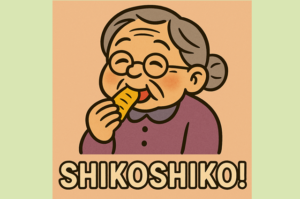
“Shiko Shiko” (しこしこ)
It describes noodles with satisfying elasticity and resilience.
Let’s taste how it sounds.
What Is Japanese Onomatopoeia “Shiko Shiko (しこしこ)” ?
“Shiko Shiko” expresses:
Food texture
- Udon with firm elasticity
- Ramen noodles with bounce
- Pasta with satisfying chew
It suggests:
- Not soft or mushy
- Not overly hard
- A pleasant resistance
- A subtle spring when bitten
You’ll often see it on ramen or udon menus describing the ideal noodle texture.
Nuance:
Firm.
Chewy.
Springy.
Satisfying.
Pronunciation
shi-ko shi-ko
(bouncy and gentle, like stepping on a soft mat)
Category
Texture
Example in Daily Life
To learn about how it appears in manga or daily conversation, dive into the following page:
Example













Comments