
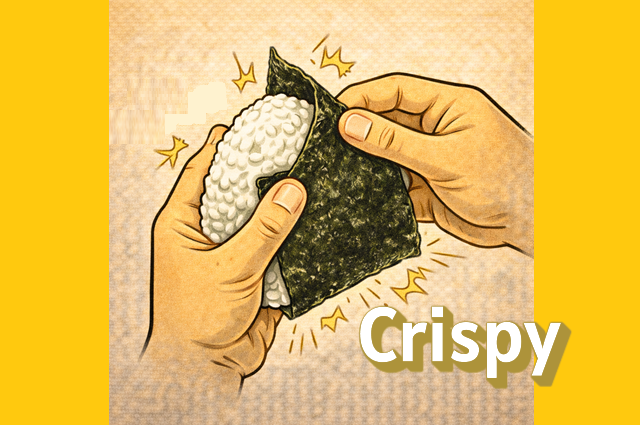
In English, we describe satisfying crunchy textures as:
- Crispy
- Crunchy
- Snappy
- Crackly
It’s the sound and feeling when something thin and dry breaks cleanly between your teeth or fingers.
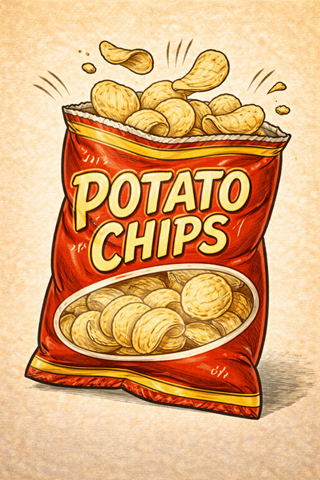
Think of potato chips, rice crackers, or crisp seaweed sheets.
But how does Japanese capture that light, bright crunch with a repeating rhythm?
Let’s step into the world of Japanese onomatopoeia and discover the sound of crispness.
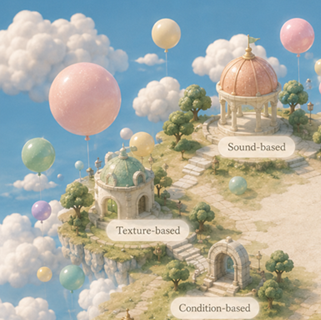
What Is a “Crispy Crunch” Moment?
It’s when:
- You bite into a thin, crunchy snack
- A sheet of seaweed cracks cleanly
- Dry paper or fabric makes a sharp rustling sound
- Something brittle breaks with a light snap
In English, we might say:
- Crispy – Light and crunchy when bitten
- Crunchy – Making a crisp breaking sound
- Crackly – Producing small sharp crack sounds
- Snappy – Breaking with a quick, bright sound
But Japanese expresses that satisfying crispness with a playful rhythm.
How Is This Feeling Expressed in Japanese?
Japanese often uses repeating sounds to represent the texture and sound of breaking or chewing.
The standout word for light, crisp crunching is:
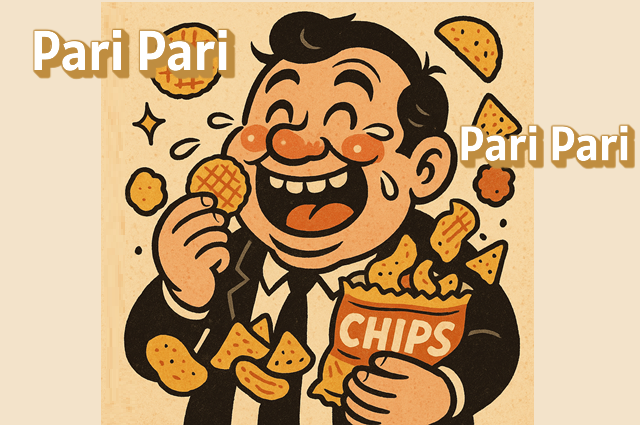
“Pari Pari” (ぱりぱり)
It captures that bright, thin crunch — quick and satisfying.
Let’s hear how it sounds.
What Is Japanese Onomatopoeia “Pari Pari (ぱりぱり)” ?
“Pari Pari” describes:
Crispy Food Texture
- Rice crackers
- Potato chips
- Dried seaweed
- Thin crackers or snacks
Thin, Brittle Materials
- Crisp paper
- Dry leaves
- Stiff clothing fabric
It’s light and bright.
Unlike heavier crunch words like “gari gari,”
“pari pari” feels thin, delicate, and clean.
It’s the sound of something breaking neatly.
Pronunciation
pah-ree pah-ree
(Say it sharply and lightly — like the quick snap of a cracker breaking)
Categories
Sound / Texture
Examples in Daily Life
To learn about how it appears in manga or daily conversation, dive into the following page:
Examples




Comments