

Have you ever eaten a freshly baked potato, soft and steaming inside?
Or felt quietly happy after gaining something nice — like a small profit?
That warm, comforting feeling in Japanese is expressed as:
“Hoku Hoku” (ほくほく)
Let’s hear how it sounds!

What is “Hoku Hoku” (ほくほく)?
“Hoku Hoku” has two main meanings:
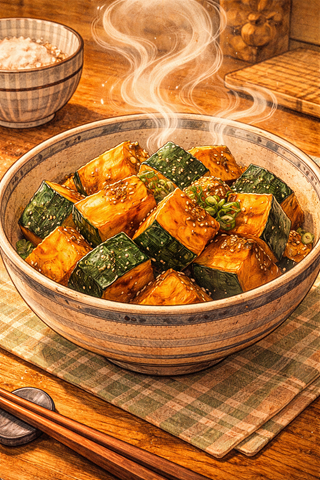
- Soft, fluffy texture of warm food
(especially potatoes, pumpkins, chestnuts) - A feeling of quiet satisfaction or contentment
(often after gaining something, like money or success)
The common idea is something that feels warm, full, and satisfying from the inside.
Pronunciation
ho-koo ho-koo
(Say it softly — like warm steam rising.)
Category
Texture
What Does “Hoku Hoku” Look Like?
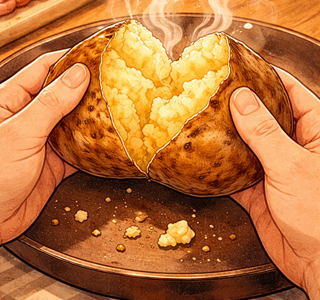
It looks like a baked potato breaking open with steam.
Like soft, crumbly texture inside warm food.
Like someone smiling quietly with satisfaction.

How Do You Say It?
Say it gently and warmly:
Hoku hoku…
Like warmth spreading from the inside —
soft, calm, and satisfying.
Examples in Daily Life
Example 1: Fluffy potato
He broke open the baked potato —
steam rose, soft inside —
hoku hoku…
Example 2: Quiet happiness
After a successful deal,
he smiled to himself —
hoku hoku.

Cultural Note
In English, you might say:
- “Fluffy and warm”
- “Soft inside”
- “Quietly pleased”
But “hoku hoku” combines:
Warmth
Fullness
Inner satisfaction
It’s especially tied to Japanese food culture, like:
Sweet potatoes
Pumpkin
Chestnuts
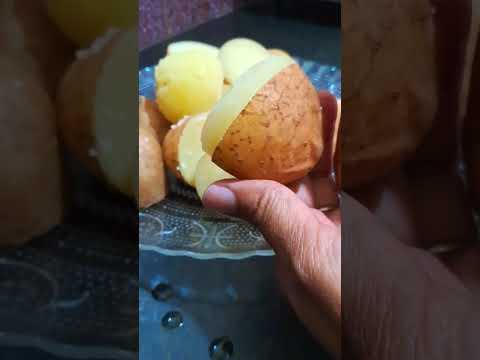
Watch & Feel the “Hoku Hoku” World!
Feel the “Hoku Hoku” — Steamed Potatoes
Try Using It!
When food feels soft and warm inside…
When you feel quietly satisfied…
When something fills you with gentle happiness…
Say it softly:
Hoku hoku〜










Comments