

In English, we describe light, happy moods as:
- Giddy
- In high spirits
- Upbeat
- Feeling bubbly
It’s that feeling when you wake up smiling.
When something small makes your whole day brighter.
When you can’t quite sit still because you’re just… happy.
But how does Japanese capture that light, floating joy with a repeating rhythm?
Let’s step into the world of Japanese onomatopoeia and discover the sound of cheerful energy.
What Is a “Giddy / Cheerful” Moment?
It’s when:
- You’re excited about meeting friends
- You got good news
- The weather is beautiful
- You’re dressed up and feeling great
In English, we might say:
- Giddy – Light-headed with happiness
- In high spirits – Cheerful and lively
- Bubbly – Full of bright energy
- Upbeat – Optimistic and lively
But Japanese turns that happy mood into rhythm.

How Is This Feeling Expressed in Japanese?
Japanese often uses repeating syllables to show emotions that rise and spread inside.
The standout word for a bright, cheerful mood is:
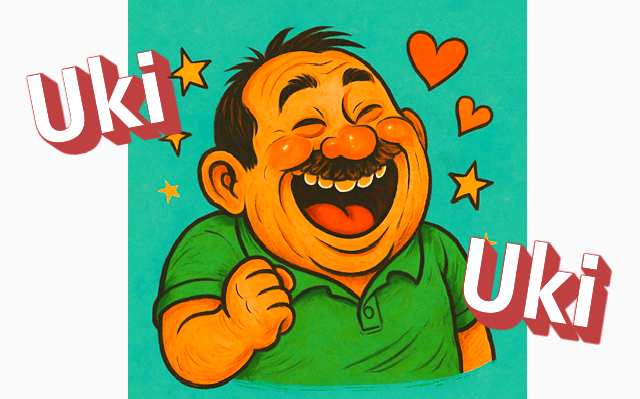
“Uki Uki” (うきうき)
It expresses a lifted, floating feeling of joy.
Let’s feel how it sounds.

What Is Japanese Onomatopoeia “Uki Uki (うきうき)” ?
“Uki Uki” describes:
Cheerful Excitement
- Feeling happy for no dramatic reason
- Being visibly in a good mood
- Light, bouncy joy
Joy That Shows
- Smiling without trying
- Walking with a spring in your step
- Radiating positivity
Unlike “doki doki,” which focuses on a racing heart,
and unlike “waku waku,” which focuses on anticipation,
“Uki Uki” is about the mood itself.
It’s already here.
It’s already shining.
It’s joy bubbling up inside you.
Pronunciation
oo-kee oo-kee
Categories
Emotion
Examples in Daily Life
To learn about how it appears in manga or daily conversation, dive into the following page:
Examples








Comments