
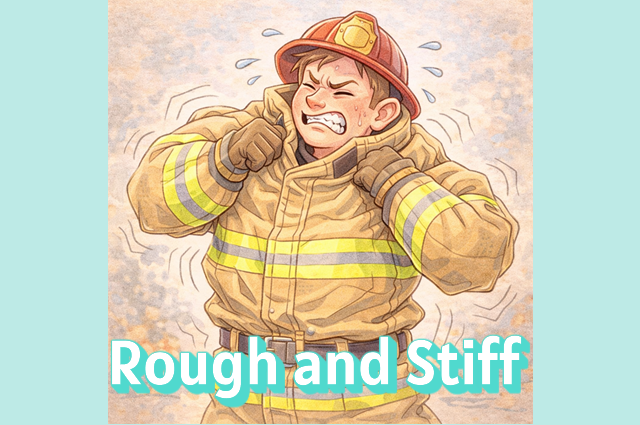
In English, we describe unpleasantly rough textures as:
- Coarse
- Stiff
- Rough
- Scratchy
It’s the feeling when something that should be soft instead feels rigid, dry, or uncomfortable to touch.
Think of stiff towels, rough clothing, or dry tangled hair.
But how does Japanese capture that rough, stiff texture with a repeating rhythm?
Let’s step into the world of Japanese onomatopoeia and discover the sound of coarse texture.
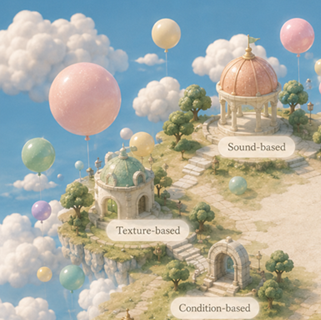
What Is a “Rough / Stiff Texture” Moment?
It’s when:
- A towel feels stiff and scratchy
- Clothes feel rough against your skin
- Hair becomes dry and tangled
- Thick paper feels rigid and hard
In English, we might say:
- Coarse – Rough and uneven texture
- Stiff – Not soft or flexible
- Scratchy – Rough against the skin
- Rigid – Hard and inflexible
But Japanese expresses that tactile discomfort with a rhythmic sound.
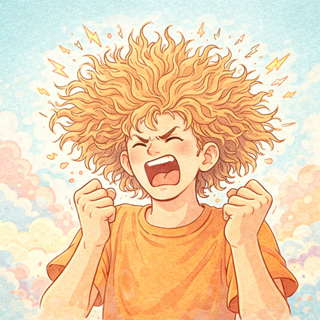
How Is This Feeling Expressed in Japanese?
Japanese often uses repeating syllables to describe textures you can feel with your hands.
The standout word for rough, stiff texture is:
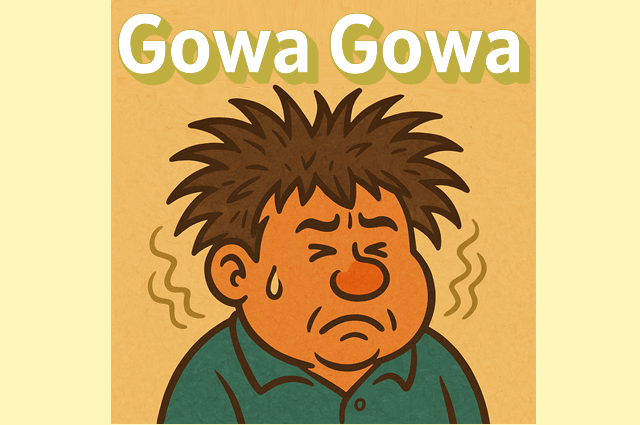
“Gowa Gowa” (ごわごわ)
It captures the sensation of something thick, coarse, and lacking softness.
Let’s feel how it sounds.
What Is Japanese Onomatopoeia “Gowa Gowa (ごわごわ)” ?
“Gowa Gowa” describes:
Rough or Stiff Fabrics
- Towels that have become stiff
- Rough clothes or sheets
- Thick uniforms or heavy materials
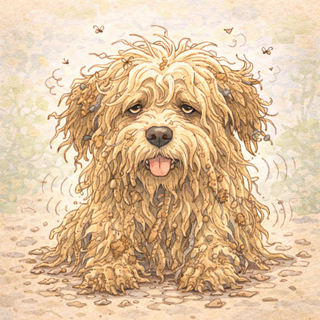
Dry or Tangled Hair
- Hair that has become dry
- Fur that feels rough or tangled
- Lack of smoothness or softness
It often suggests something that should feel soft but doesn’t.
However, sometimes it simply describes natural stiffness —
like thick paper, canvas, or old uniforms.
Pronunciation
goh-wah goh-wah
(Say it with a slight friction, as if the sound itself rubs.)
Category
Texture
Examples in Daily Life
To learn about how it appears in manga or daily conversation, dive into the following page:
Examples










Comments