
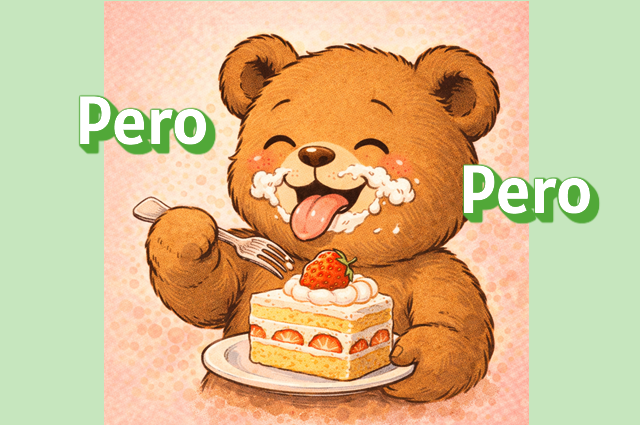
Have you ever watched a cat carefully licking its paw?
Or seen someone taste a bit of ice cream from a spoon?
That small, repeated licking motion in Japanese is expressed as:
“Pero Pero” (ぺろぺろ)
Let’s hear how it sounds:

What is “Pero Pero” (ぺろぺろ)?
“Pero Pero” describes the action of licking repeatedly with the tongue.
It is often used for:
- Animals licking themselves or people
- Someone tasting food lightly
- A playful or gentle licking motion
Compared with “bero bero”, which feels messy or exaggerated,
“pero pero” sounds lighter, cleaner, and more delicate.

Pronunciation
peh-ro peh-ro
(Say it lightly, like a quick flick of the tongue.)
Category
Motion
What Does “Pero Pero” Look Like?
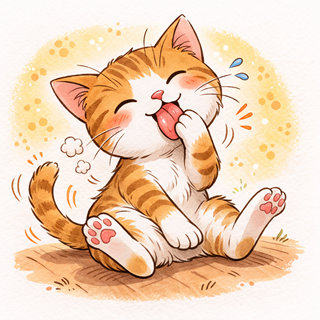
It looks like a cat licking its paw.
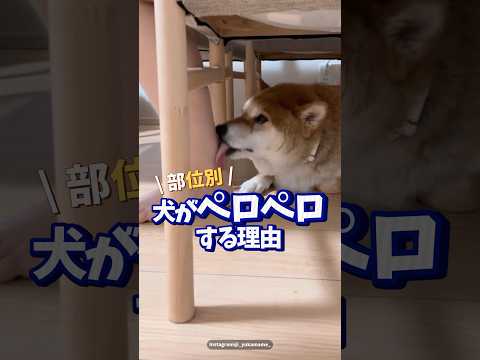
Like a dog giving a quick lick to its owner.
Like someone tasting melted ice cream from their finger.

How Do You Say It?
Say it quickly and lightly:
Pero pero…
Like a soft tongue movement —
small, repeated, and playful.
Examples in Daily Life
Example 1: A cat grooming itself
The cat sat quietly on the floor,
cleaning its paw —
pero pero…
Example 2: Tasting something sweet
She tasted the chocolate on her finger —
pero pero.

Cultural Note
In English, you might say:
- “Lick lick”
- “Lap up”
- “Taste with the tongue”
But “pero pero” has a cute, gentle feeling in Japanese.
It’s commonly used when describing:
- Pets grooming themselves
- Children tasting sweets
- Someone playfully licking something small
Compared with similar expressions:
- Pero Pero ぺろぺろ → light, neat licking
- Bero Bero べろべろ → messy or exaggerated licking (or drunkenness)
So pero pero often feels cuter and more delicate.
Watch & Feel the “Pero Pero” World!
Feel the “Pero Pero” — the inner sway
Try Using It!
When a pet licks your hand…
When someone tastes a drop of sauce…
When a cat cleans itself quietly…
Say it softly:
Pero pero〜







Comments