
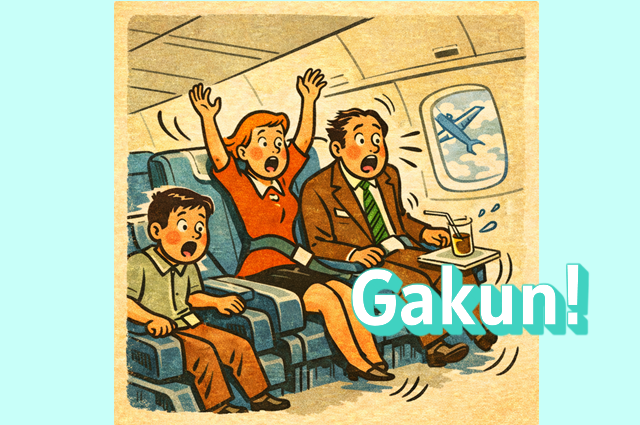
Have you ever felt something suddenly drop?
Maybe an elevator stopping too quickly,
your head nodding when you get sleepy,
or your energy suddenly fading.
In Japanese, that kind of sudden downward shift or jolt is often expressed with:
“Gakun!” (がくん!)
It captures the feeling of something dropping or shifting all at once.
Before we dive in, hear what it sounds like!
What is “Gakun” (がくん)?
“Gakun” is a Japanese onomatopoeia describing a sudden drop, jolt, or loss of energy.
It’s often used when something moves abruptly downward or weakens suddenly.
Common situations include:
- Your head dropping when you’re sleepy
- A vehicle jolting when it stops suddenly
- Your energy or motivation dropping quickly
The key idea is a short, sudden downward movement or change.
Pronunciation
ga-kun
(The “kun” lands quickly and softly — like a short drop.)
Category
Motion
What Does “Gakun” Look Like?
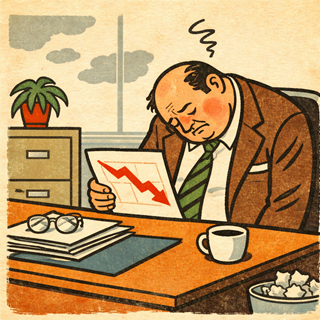
It looks like a head nodding suddenly when someone dozes off.
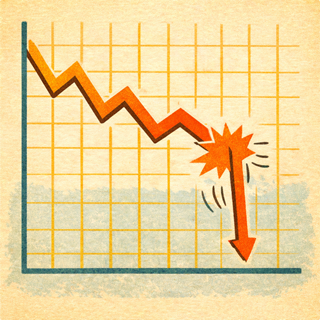
Like a car stopping with a small jolt.
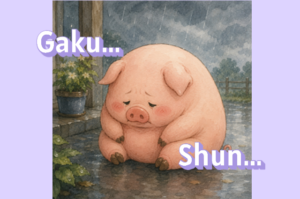
Like a person’s shoulders dropping after bad news.

How Do You Say It?
Say it quickly with a short drop at the end:
Gakun!
Like a sudden dip —
small but noticeable.
Examples in Daily Life
Example 1: Nodding off
During the meeting,
his head suddenly dropped —
gakun!

Example 2: Energy suddenly dropping
When he heard the disappointing news,
his motivation dropped —
gakun.
Cultural Note
In English, you might say:
- “My energy dropped.”
- “It suddenly jolted.”
- “My head nodded.”
But Japanese uses “gakun” to capture the exact moment of the drop.
It’s often used in casual descriptions of:
- sudden tiredness
- quick physical jolts
- emotional discouragement
Because the sound ends softly, it feels like a small but noticeable drop, rather than a big crash.
Watch & Feel the “Gakun” World!
Feel the “Gakun” — A Tiny Roller Coaster

Try Using It!
When your head suddenly dips…
When something jolts or drops…
When your motivation suddenly falls…
Say it quickly:
Gakun!








Comments