
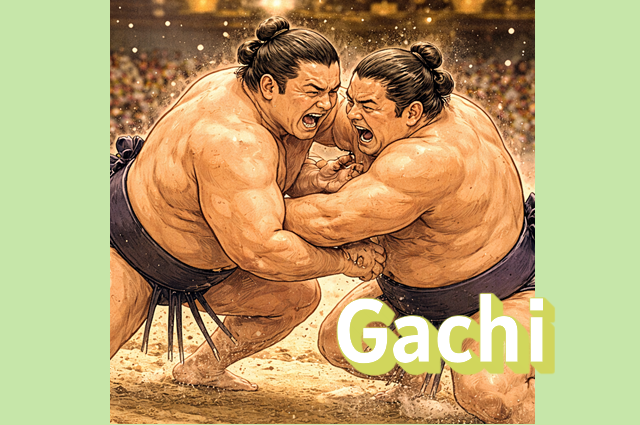
Have you ever heard someone say:
“Gachi de yabai!”
(“That’s seriously crazy!”)
It sounds punchy, almost like a sound word.
But here’s the twist:
“Gachi” is not an onomatopoeia.
Still, it feels like one.
Why?
Let’s explore.
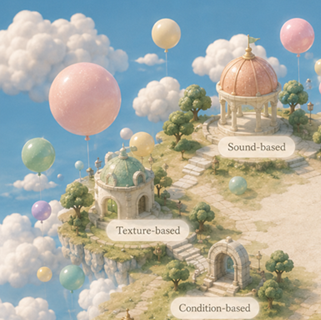
What is “Gachi” (がち)?
“Gachi” is a common Japanese slang word that means:
- Serious
- Real
- No joke
- For real
It’s often used to emphasize sincerity or intensity.
Examples:
- がちで やばい (Gachi de yabai) → This is seriously crazy
- がち しょうぶ (Gachi shoubu) → A serious match
Unlike typical onomatopoeia,
👉 “gachi” does not describe a sound or sensory texture.
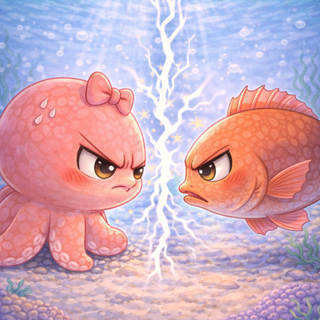
Is It Onomatopoeia?
No — it’s not.
But it has roots in sound.
“Gachi” comes from words like:
“gachin” (がちん)
“gachinko” (がちんこ)
These originally described:
the sound of something hitting hard
So while “gachi” today means “serious,”
it originated from a sound-based expression.
Pronunciation
gah-chee
(Say it firmly, with a strong and decisive tone.)
Category
Condition
What Does “Gachi” Look Like?
It looks like something solid and unshakable.
Like two things colliding head-on.
Like a decision with no hesitation.
Like someone saying: “I mean this. For real.”
Even without a sound,
it carries the weight of impact.

Watch & Feel the “Gachi” World!
Feel the “Gachi” — An Exhausted Runner
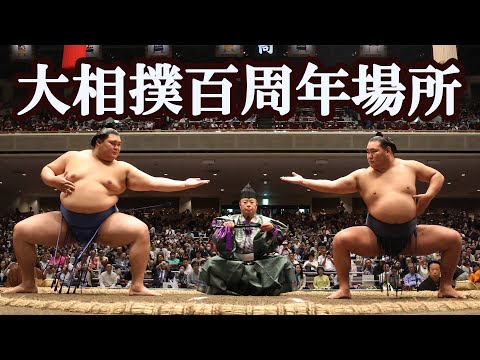
How Do You Say It?
Say it with firmness:
Gachi.
Not soft. Not playful.
Strong. Direct. Real.
Gachi.
Example in Daily Life
Example: A serious moment
He looked straight at her and said:
“I’m gachi about this.”
No jokes. No hesitation.

Cultural Note
In English, you might say:
- “Seriously”
- “For real”
- “No joke”
But “gachi” feels slightly different.
It has a harder, more physical nuance —
as if the words themselves have impact.
That’s because of its origin:
a sound of collision
Japanese has many words like this —
words that began as sounds,
and evolved into abstract meanings.
“Gachi” is one of them.
Try Using It!
When you mean something seriously…
When you want to emphasize “this is real”…
When you’re not joking anymore…
Say it:
Gachi.









Comments