
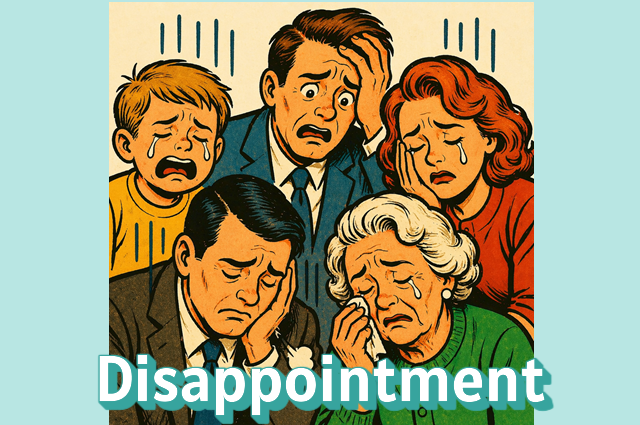
Disappointment comes in many forms.
Sometimes it’s a quiet drop in your mood.
Sometimes it lingers, heavy in your chest.
And sometimes, it hits you instantly — like a shock.
In Japanese, these subtle differences are expressed through sound words that capture both emotion and atmosphere.
Each sound carries a slightly different feeling — let’s explore them by intensity.
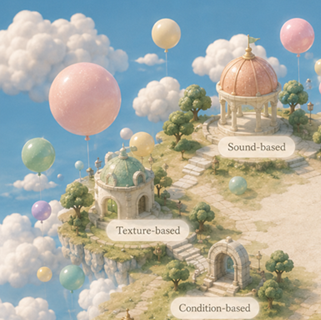
How Disappointment Sounds in Japanese
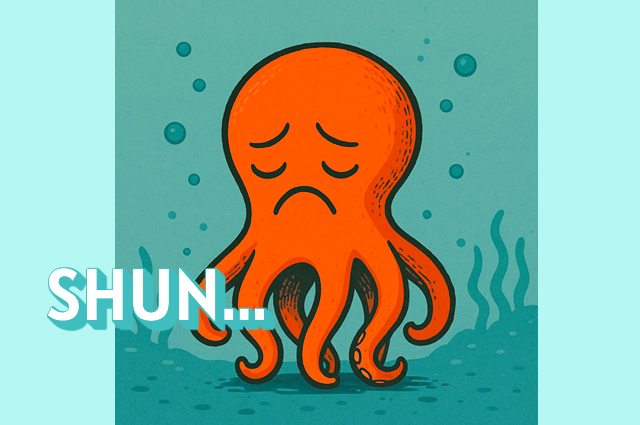
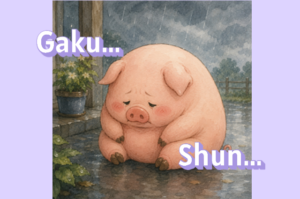
Level 1: Shun (しゅん)
A small, quiet drop in mood.
Often used when someone looks slightly sad or discouraged.
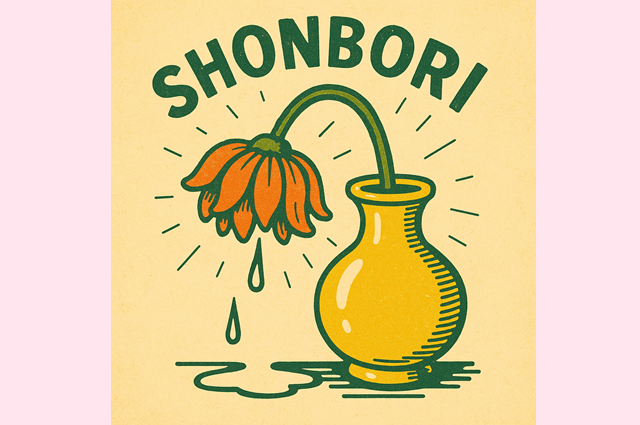
Level 1: Shonbori (しょんぼり)
A visibly down, low-spirited feeling.
More sustained than shun, with a softened, sad mood.
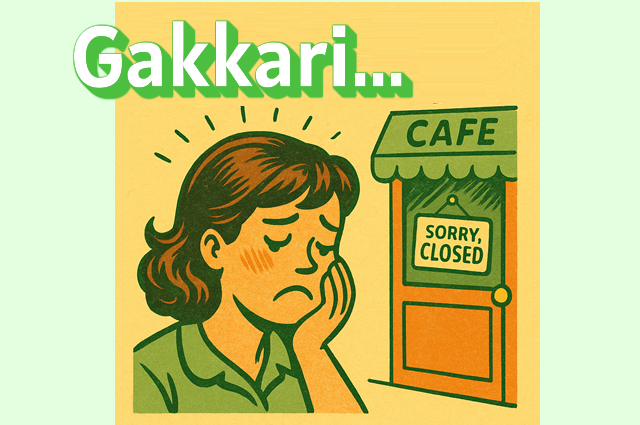
Level 2: Gakkari (がっかり)
Clear disappointment.
When expectations don’t match reality.
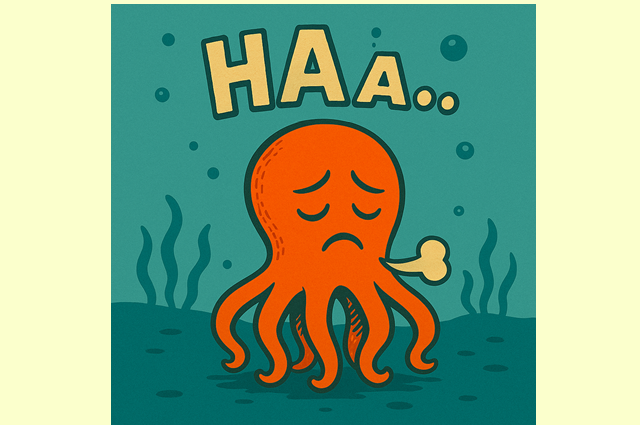
Level 2: Haa~ (はぁー)
A sigh of disappointment.
That moment when you exhale your frustration.
Level 3: Gaku (がくっ)
A physical drop — like your body losing energy.
Often used when your shoulders slump in disappointment.

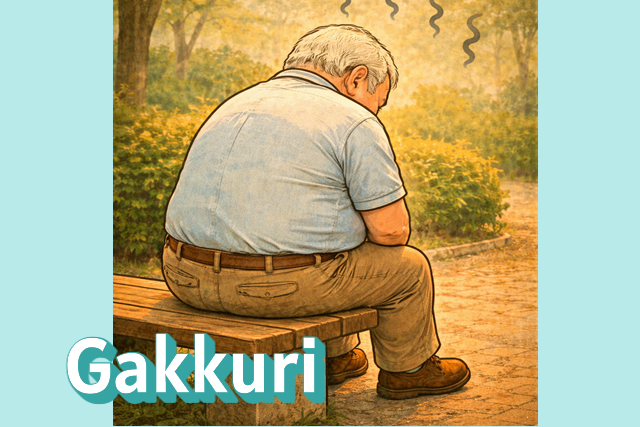
Level 3: Gakkuri (がっくり)
A deeper, heavier version of gaku.
A sustained feeling of letdown and loss of energy.
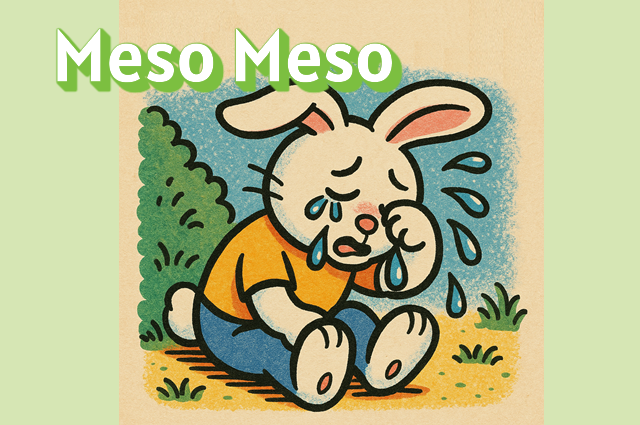
Level 3: Mesomeso (めそめそ)
Crying softly and continuously.
A lingering, emotional sadness.
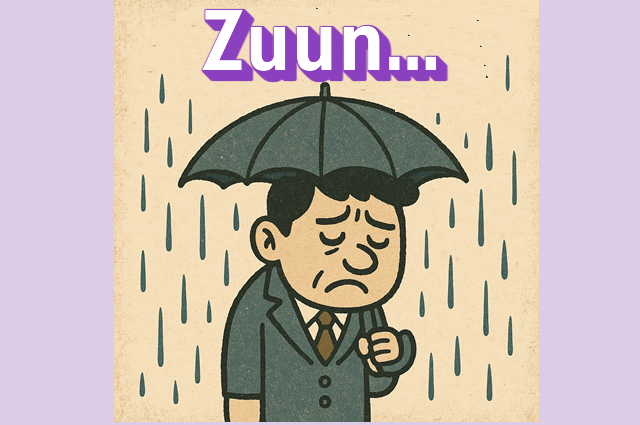
Level 4: Zuun (ずーん)
A heavy emotional weight.
The feeling sinks deeply and stays there.
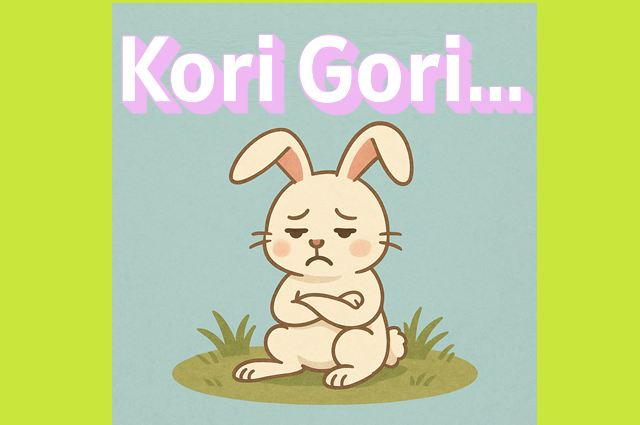
Level 4: Korigori (こりごり)
So disappointed that you don’t want to repeat the experience.
It carries a sense of “I’ve had enough.”
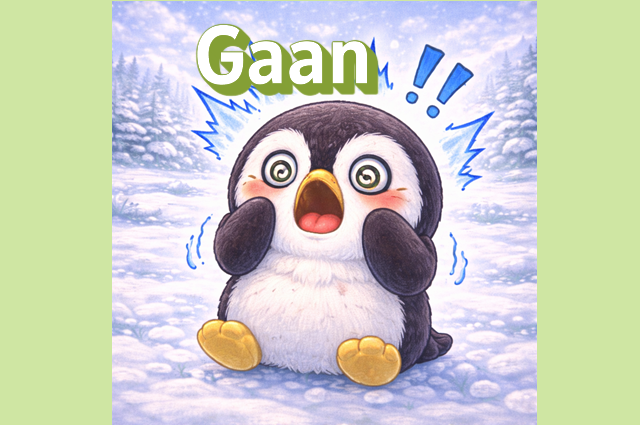
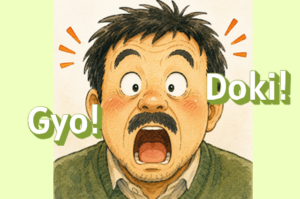
Level 5: Gaan (がーん)
A sudden emotional shock.
Used when something hits you hard, often unexpectedly.
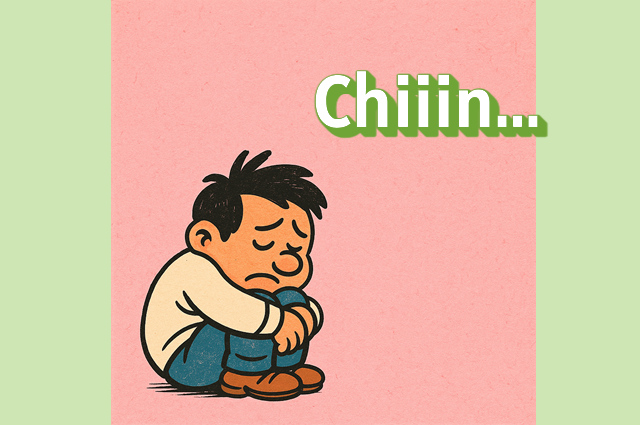
Level 5: Chiin (ちーん)
A dramatic, almost comedic sense of finality.
Like something has completely ended or failed.
Try Using It!
Next time something doesn’t go as expected —
pause for a moment and ask:
👉 What kind of disappointment is this?
Is it light and quiet?
Heavy and lingering?
Or sudden and shocking?
Try expressing it with a Japanese sound word —
you might discover a surprisingly precise way to describe your feelings.






Comments