

Have you ever slipped unexpectedly on a smooth surface?
Or felt your expectations suddenly collapse in a slightly disappointing moment?
That slipping, losing-balance feeling in Japanese is expressed as:
“Zuru!” (ずるっ!)
Let’s hear how it sounds!

What is “Zuru” (ずるっ)?
“Zuru” describes:
- A sudden slip or slide
- Losing footing unexpectedly
- A quick emotional “slip” — like mild disappointment or anticlimax
It’s often used for:
- Slipping on the floor
- Food sliding out unexpectedly
- Moments where excitement suddenly disappears
Pronunciation
zoo-roo
(The ending should feel quick and slippery.)
Categories
Motion / Emotion
What Does “Zuru” Look Like?
It looks like someone suddenly losing their footing.
Like noodles slipping from chopsticks.
Like excitement sliding away in an awkward moment.

How Do You Say It?
Say it quickly and lightly:
Zuru!
Like something slipping away unexpectedly.
Examples in Daily Life
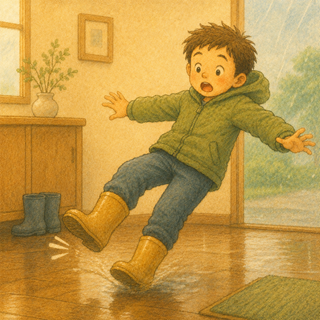
Example 1: Slipping physically
He stepped on the wet floor —
zuru!
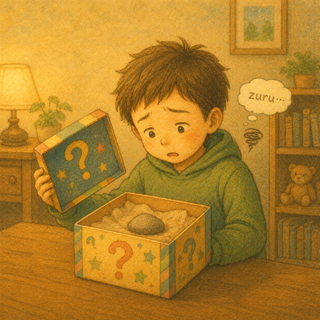
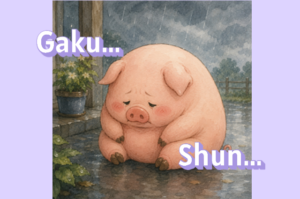
Example 2: Emotional disappointment
He opened the mystery box with excitement…
But inside was something boring —
zuru…
Cultural Note
In English, you might say:
- “Slip!”
- “Whoops!”
- “What a letdown…”
But “zuru” has a uniquely Japanese nuance.
It suggests:
Something suddenly losing support
A quick, awkward shift
Momentum slipping away
Try Using It!
When something slips unexpectedly…
When a moment loses momentum…
When disappointment suddenly hits…
Say it lightly:
Zuru!









Comments