
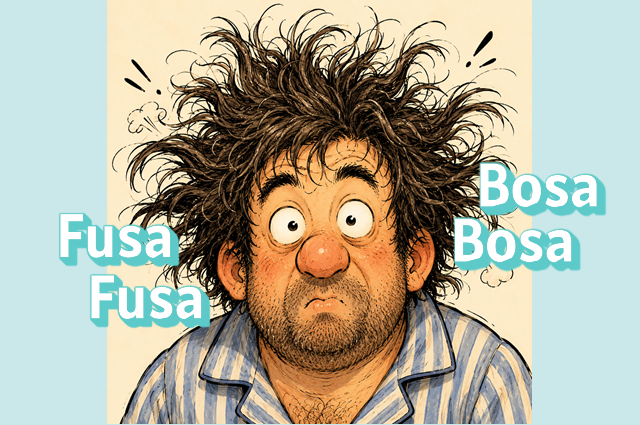
Have you ever admired someone’s thick, healthy hair?
Or woken up and looked in the mirror to find your hair sticking out in every direction?
In Japanese, these two expressions are often used for hair, fur, and plants:
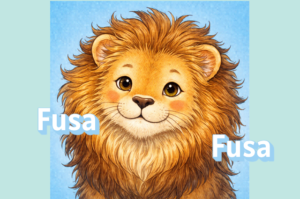
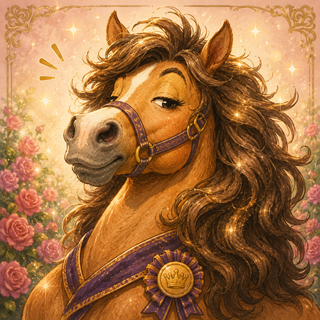
Fusa Fusa (ふさふさ)
Bosa Bosa (ぼさぼさ)
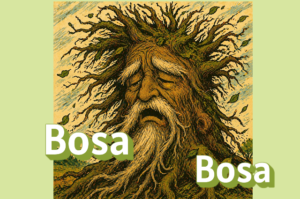
Both describe something with a lot of volume, but one is positive and the other is not.
Differences Between “Fusa Fusa” and “Bosa Bosa”
| Expression | Meaning | Nuance |
|---|---|---|
| Fusa Fusa (ふさふさ) | Thick and full | Healthy, rich, fluffy, attractive |
| Bosa Bosa (ぼさぼさ) | Messy and unkempt | Disordered, neglected, untidy |
In short:
- Fusa fusa → lots of volume in a good way
- Bosa bosa → lots of volume in a messy way
Examples in Daily Life
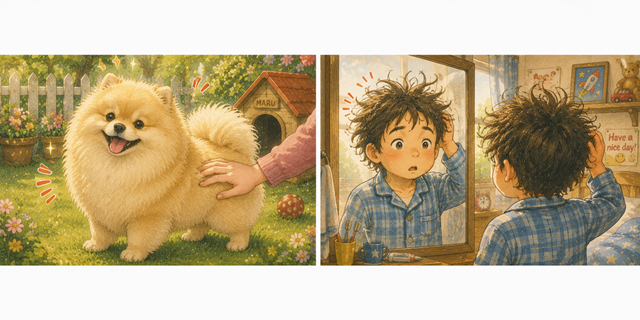
Example 1: A fluffy dog (Fusa Fusa)
The dog’s fur looked thick, soft, and healthy —
fusa fusa…
Example 2: Bedhead hair (Bosa Bosa)
He rolled out of bed and looked in the mirror —
bosa bosa…
His hair was sticking out everywhere.
Try Using Them!
Hair, fur, or leaves look thick and healthy?
→ Say fusa fusa
Hair or plants look messy and out of control?
→ Say bosa bosa
Both describe abundance and volume.
But fusa fusa feels healthy and attractive, while bosa bosa feels neglected and untidy.
Two full heads of hair — but very different impressions!






Comments