
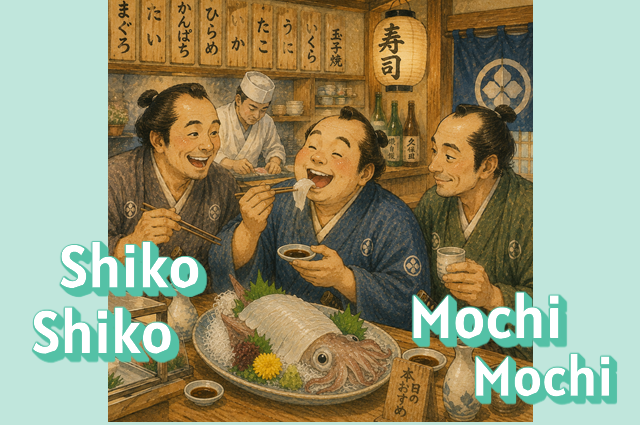
Have you ever bitten into freshly made mochi and felt it bounce back softly?
Or enjoyed noodles with a firm, springy bite that pushes back against your teeth?
In Japanese, these two textures are often described with:
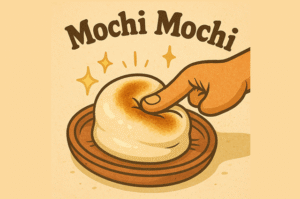
Mochi Mochi (もちもち)
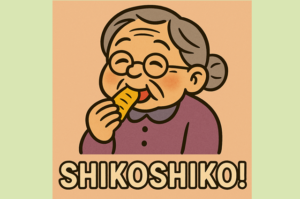
Shiko Shiko (しこしこ)
Both involve elasticity, but they feel very different in your mouth.
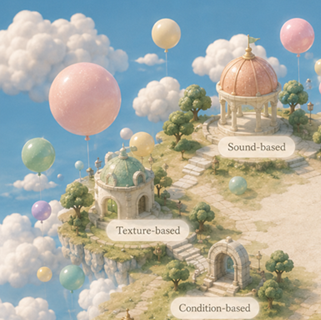
Differences Between “Mochi Mochi” and “Shiko Shiko”

| Expression | Meaning | Nuance |
|---|---|---|
| Mochi Mochi (もちもち) | Soft and chewy elasticity | Plump, bouncy, soft, pleasant |
| Shiko Shiko (しこしこ) | Firm and springy elasticity | Resilient, slightly firm, satisfying bite |
In short:
- Mochi mochi → soft elasticity
- Shiko shiko → firm elasticity
Examples in Daily Life
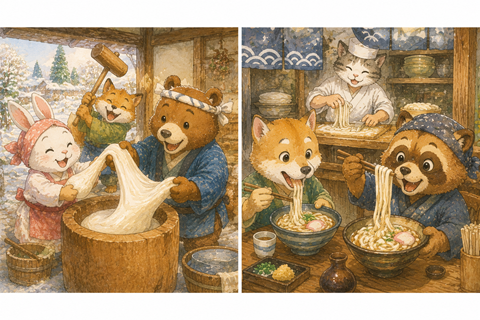
Example 1: Fresh mochi (Mochi Mochi)
The freshly made rice cake stretched gently when pulled —
mochi mochi…
Example 2: Udon noodles (Shiko Shiko)
The handmade udon noodles had a firm, springy bite —
shiko shiko…
Try Using Them!
A bread roll, rice cake, or cheek feels soft and bouncy?
→ Say mochi mochi
Noodles or seafood have a firm, springy texture?
→ Say shiko shiko
Both describe elasticity.
But mochi mochi emphasizes softness, while shiko shiko emphasizes firmness and resistance.
Two chewy textures — but very different kinds of bounce!








Comments