
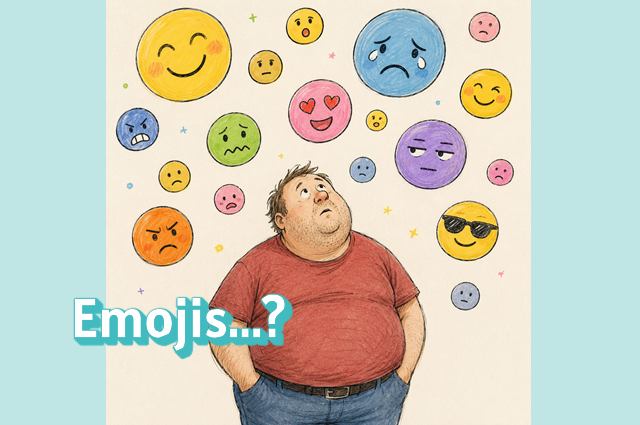
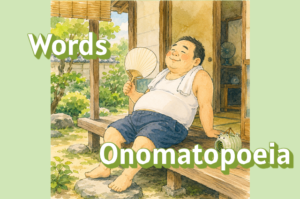
When people think of Japanese onomatopoeia, they often imagine words like waku waku, doki doki, or moya moya. These special expressions make feelings and situations come alive.
But here’s a fun question:
Could emojis be today’s onomatopoeia?
Tiny Symbols, Big Feelings 😊
An emoji can tell a story without using many words.
🤭 might suggest a shy smile or a secret laugh.
🥹 can show gratitude, happiness, or tears.
😶🌫️ often expresses that cloudy, unsettled feeling that Japanese speakers might call moya moya.
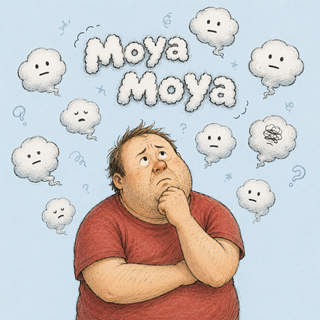
Just like onomatopoeia, emojis help us share emotions quickly and naturally.
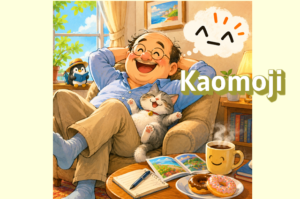
From Kaomoji (^_^) to Emojis 😊
Japan has long enjoyed creative ways to express feelings.
Traditional onomatopoeia gave sounds to emotions.
Later, people used kaomoji like (^^), (><), and (T_T) to show facial expressions in text.
Today, emojis have become a worldwide language of feelings.
Different cultures may use different symbols, but the goal is often the same:
to express something that ordinary words cannot fully capture.
A New Way to Explore Feelings 🌏
Of course, emojis and onomatopoeia are not exactly the same.
One is a picture, and the other is a word.
Still, they share something special:
They are both small expressions carrying big emotions.
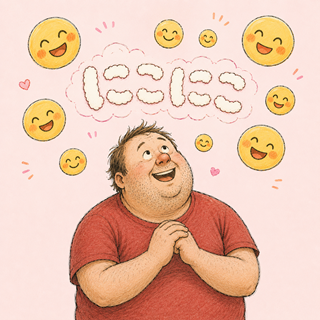
Perhaps that is why an emoji like 😶🌫️ can remind us of moya moya, or 🤩 can feel a little like waku waku.
What do you think?
Could emojis be the modern onomatopoeia?




Comments