
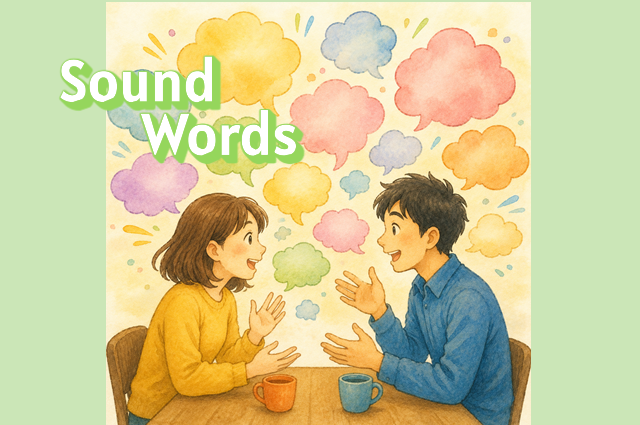
People learning Japanese are often surprised.
Why are there so many words like doki doki, waku waku, and pika pika?
The answer may lie in the way Japanese people enjoy describing the world around them.
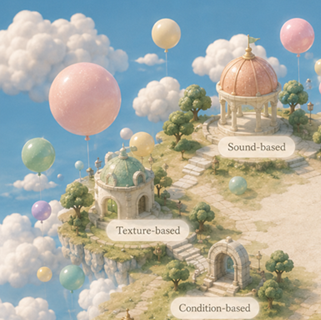
Listening to the World
Japanese sound words do more than imitate noises.
They can describe feelings, movements, weather, and even silence.
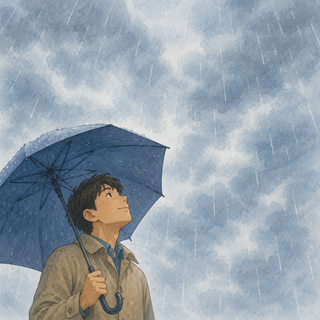
Rain can fall shito shito.
A heart can beat doki doki.
Someone can smile niko niko.
These expressions help paint a picture with just a few sounds.
Small Details Matter
Japanese culture often appreciates small changes in nature and daily life.
The first cherry blossoms of spring.
The quiet sound of rain.
A gentle breeze.
Sound words can capture these tiny moments and feelings in a simple, memorable way.

More Than Just Sounds
Many languages have onomatopoeia, but Japanese uses them in a particularly rich way.
They are not only for children’s stories or comic books.
People use them in everyday conversations to express emotions and experiences.
Perhaps that is why learning Japanese sound words can feel like discovering a new way to see the world.









Comments