

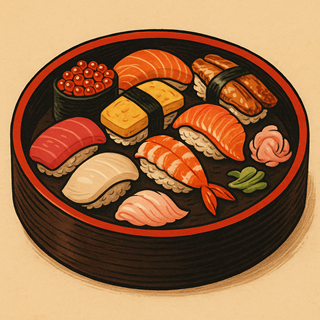
In sushi culture, “gari” refers to the thin, slightly sweet pickled ginger served beside sushi.
But the name gari isn’t just a food term —
it’s believed to come from a Japanese sound word.
The word “gari-gari” describes a sharp, crisp, crunchy sound.
When thin-sliced ginger is chewed, the texture makes a light, snappy gari sound —
and that sensory impression became the name.
So “gari” is another classic example of a sound-born name in Japanese cuisine.
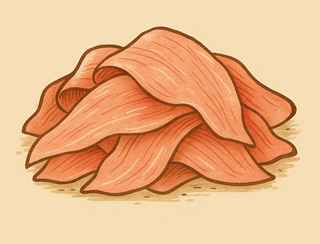

Origin of the Word “Gari” (がり)
The name “gari” is thought to come from gari-gari (がりがり)
gari-gari is a Japanese onomatopoeia describing:
- A crunchy sound
- Sharp, crisp biting
- Something being scraped or sliced
When chefs slice pickled ginger extremely thin,
the cutting sound can resemble “gari-gari”.
And when you chew it, the crispness also matches the same feeling.
Over time, the sound-based expression was shortened to “gari”
and became the standard word used in sushi restaurants.
But What Does “Gari-gari” Sound Like?
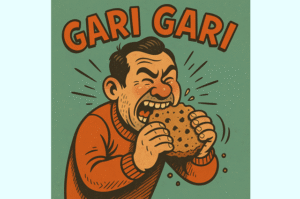
“Gari-gari” is a Japanese onomatopoeia that represents actual sound.
It expresses:
- Crunching
- Grinding
- Sharp crispness
- A light scraping sound
Final Thoughts
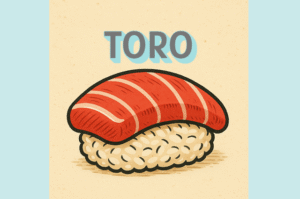
Just like “toro” and “gachapon,”
gari shows how Japanese turns sound expressions into real-world names.
These sound-born names add a playful, intuitive layer to the language —
you can almost hear the food just by saying the word.
Tea Time Columns:








Comments