

Ever seen someone with eyes that seem to sparkle, wide and full of life?
Or watched a cartoon character suddenly wake up — eyes snapping open?
That’s when the Japanese word “Pacchiri” (ぱっちり) comes in —
a mimetic word that captures the look and feel of big, round, open eyes.
Before we dive in, hear what it sounds like!
What is “Pacchiri” (ぱっちり) ?
“ぱっちり” isn’t exactly a sound — it’s a mimetic word that expresses a vivid visual image.
It’s used to describe eyes that are:
- Round and big
- Bright and lively
- Clearly open
It can also describe an action, like eyes opening suddenly and fully.
Pronunciation
paht-chee-ree
(Say it crisply, as if your eyes are popping open!)
Category
Visual
What Does “Pacchiri” Look Like?
A perfect eye makeup look
Big eyes in anime characters
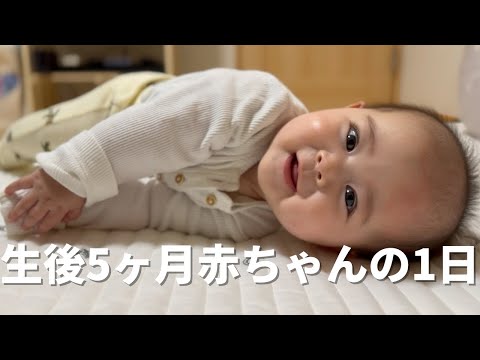
A baby looking up with round, alert eyes
Someone waking up and opening their eyes wide

How Do You Say It?
Say it brightly and clearly:
Pacchiri!
It sounds like something blooming open —
or a gaze that draws attention.
Example in Daily Life
Example: Wide-eyed wonder
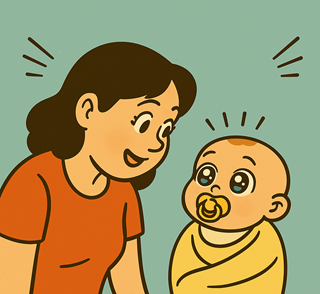
The baby looked up at her,
with pacchiri eyes full of curiosity.
Cultural Note
Unlike “big eyes” in English, “pacchiri” adds a layer of animation and liveliness.
It suggests sparkle, clarity, and alertness,
and is often used in compliments about eyes or appearance.
Watch & Feel the “Pacchiri” World!
Feel the “Pacchiri” — Baby’s Eyes
Try Using It!
Next time you see…
- An alert expression
- Bright, beautiful eyes
- Someone waking up wide-eyed
Try saying:
Pacchiri!






Comments