
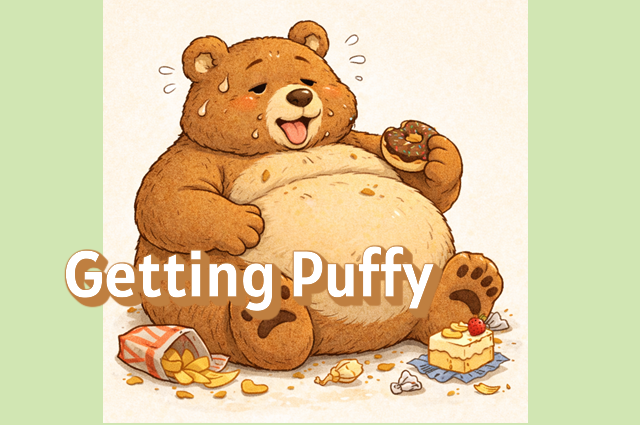
In English, we describe certain things as:
- Bubbling
- Foaming
- Puffing up
- Putting on weight
Sometimes it’s about liquid — like soup boiling or soap foaming.
Sometimes it’s about the body — swelling or gaining weight.
But how does Japanese express both rising bubbles and slightly excessive puffiness with one repeating sound?
Let’s step into the world of Japanese onomatopoeia and discover the sound of over-bubbling.
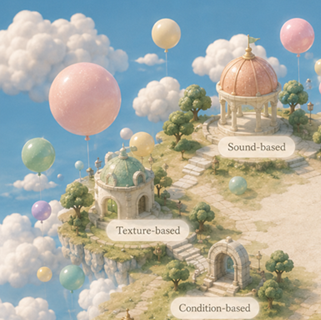
What Is a “Bubbling / Puffing Up” Moment?
It’s when:
- Foam rises and expands
- Liquid bubbles continuously
- Something swells more than expected
- Weight increases in a slightly exaggerated way
In English, we might say:
- Bubbling – Liquid forming rising bubbles
- Foaming – Producing thick foam
- Puffing up – Becoming swollen
- Gaining weight – Putting on extra weight
But Japanese adds a rhythmic, slightly humorous tone.

How Is This Feeling Expressed in Japanese?
Japanese often uses repeated syllables to describe ongoing motion or change.
The standout word for excessive bubbling or puffiness is:
“Buku Buku” (ぶくぶく)
It expresses swelling bubbles — and sometimes swelling bodies.
Let’s feel how it sounds.
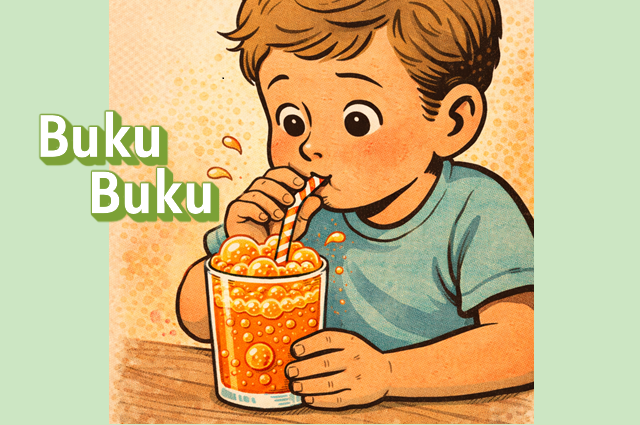
What Is Japanese Onomatopoeia “Buku Buku (ぶくぶく)” ?
“Buku Buku” is used in two main ways:
1. For Bubbles
- Soup boiling with foam
- Soap or detergent foaming up
- Liquid bubbling energetically
It suggests big, swelling bubbles — sometimes too many.
2. For Body Weight
- Gaining weight in a bloated way
- Puffing up excessively
Unlike cute swelling words like puku puku,
“buku buku” often carries a slightly excessive, humorous, or mildly critical nuance.
It can feel silly.
It can feel “too much.”
Pronunciation
boo-koo boo-koo
(Say it in a soft, round rhythm — like bubbles softly bursting upward.)
Categories
Condition / Sound
Example in Daily Life
To learn about how it appears in manga or daily conversation, dive into the following page:
Example









Comments