

Have you ever gently tightened something — like tying a ribbon or closing a bag?
Or felt something lightly squeeze or firm up?
That small, neat tightening motion in Japanese is expressed as:
“Kyu!” (きゅっ!)
Let’s hear how it sounds!

What is “Kyu” (きゅっ)?
“Kyu” describes a small, quick tightening or light squeeze.
It’s often used for:
- Tying or fastening something neatly
- Lightly squeezing or tightening
- A subtle, controlled closing or firming motion
Compared to “gyu” (ぎゅっ),
“kyu” feels lighter, smaller, and more precise.

Pronunciation
kyoo
(The ending is short and crisp — like a quick motion.)
Category
Motion
What Does “Kyu” Look Like?
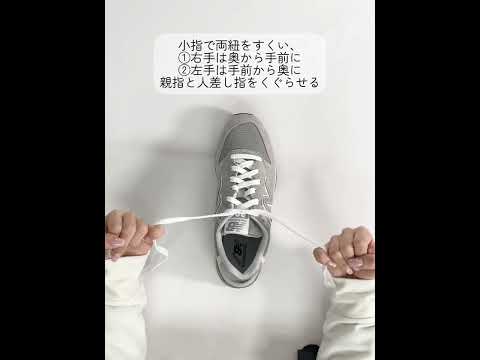
It looks like tying a ribbon neatly.
Like closing a drawstring bag.
Like a gentle squeeze that finishes quickly.

How Do You Say It?
Say it quickly and lightly:
Kyu!
Like a small, precise motion —
tight and clean.
Examples in Daily Life
Example 1: Tightening a string
She pulled the string
and tied it neatly —
kyu!

Example 2: Light squeeze
He held her hand
and gave it a gentle squeeze —
kyu…

Cultural Note
In English, you might say:
- “Tighten”
- “Gently squeeze”
- “Firm up”
But “kyu” captures a very specific feeling:
Small and controlled motion
Light pressure
Neat, precise action
Watch & Feel the “Kyu” World!
Feel the “Kyu” — A Ribbon Being Tied
Try Using It!
When you tighten something lightly…
When you make a small, neat adjustment…
When you give a gentle squeeze…
Say it softly:
Kyu!









Comments