

Have you ever seen a flower stem bend under its own weight?
Or watched something soft lose its firmness and gently droop?
That flexible, weakening motion in Japanese is expressed as:
“Shina…” (しなっ…)
Let’s hear how it sounds!

What is “Shina” (しなっ)?
“Shina” describes:
- Something softly bending or drooping
- A flexible object losing firmness
- A gentle, weakened curve rather than a sharp break
It’s often used for:
- Plant stems or flowers
- Thin, flexible materials
- Movements that feel soft and delicate

Pronunciation
shee-nah
(Say it softly and lightly — like strength fading.)
Categories
Motion / Condition
What Does “Shina” Look Like?
It looks like a flower stem bending downward.
Like something soft losing its support.
Like a gentle curve forming naturally.

How Do You Say It?
Say it softly with a slight downward feeling:
Shina…
Like something bending quietly —
without resistance.
Example in Daily Life
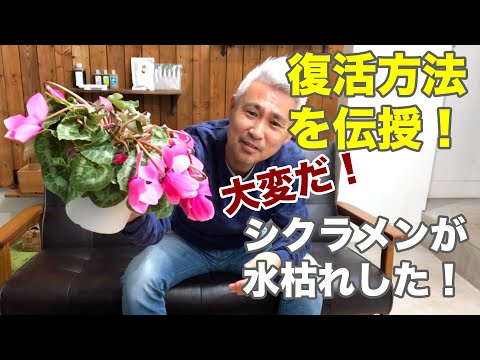
Example: A drooping plant
The flower hadn’t been watered,
and its stem bent downward —
shina…

Cultural Note
In English, you might say:
- “Droop”
- “Bend softly”
- “Wilt slightly”
But “shina” has a gentler nuance.
It suggests:
Flexibility rather than breaking
Soft loss of firmness
Delicate, natural bending
Watch & Feel the “Shina” World!
Feel the “Shina” — Drooping Flowers
Try Using It!
When something bends softly…
When a plant droops gently…
When strength fades quietly…
Say it softly:
Shina…











Comments