
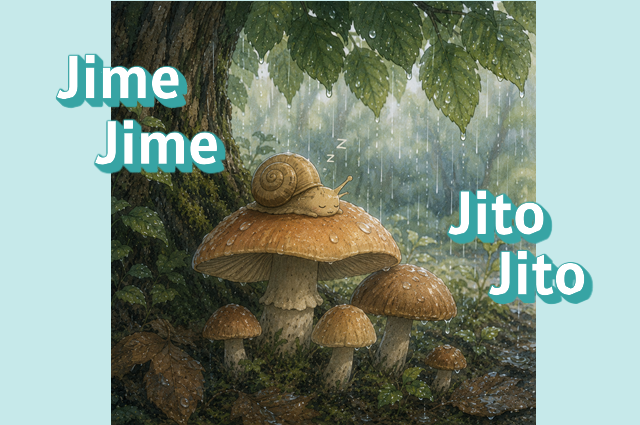
Have you ever stepped outside on a humid day and immediately felt the heavy air?
Then, after a short walk, noticed your shirt becoming damp with sweat?
Japanese uses two different expressions for these situations:
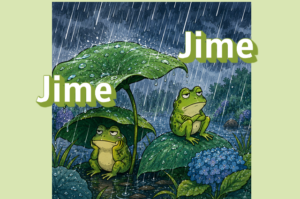
Jime Jime (じめじめ)
Jito Jito (じとじと)
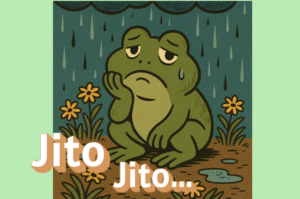
Both describe unpleasant moisture, but they focus on different things.
Differences Between “Jime Jime” and “Jito Jito”
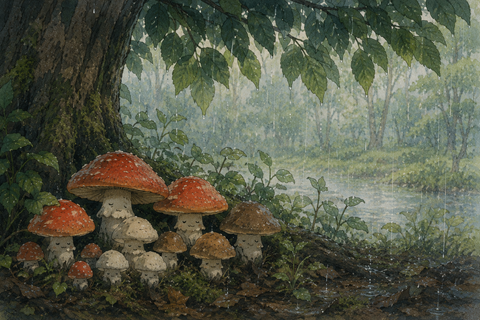
| Expression | Focus | Nuance |
|---|---|---|
| Jime Jime | Air and surroundings | Humid, sticky atmosphere |
| Jito Jito | Surfaces and objects | Damp, clammy, wet to the touch |
In short:
- Jime jime → humid, uncomfortable air
- Jito jito → damp, sticky surfaces
Examples in Daily Life
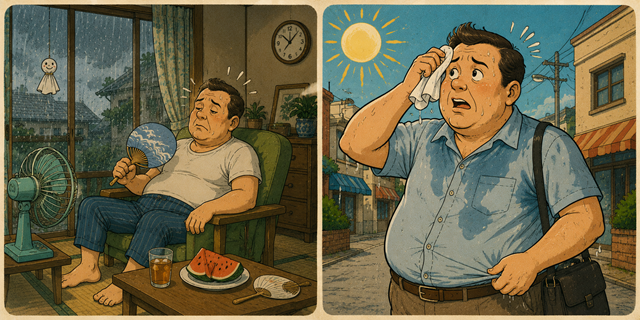
Example 1: A humid afternoon (Jime Jime)
The rainy season made the whole house feel hot and humid —
jime jime…
Example 2: A sweaty shirt (Jito Jito)
After walking outside, his shirt was damp with sweat —
jito jito…
Try Using Them!
The air feels humid and unpleasant?
→ Say jime jime
Your clothes, skin, or hair feel damp?
→ Say jito jito
Jime jime describes the atmosphere around you.
Jito jito describes moisture you can actually feel on a surface.
One fills the air.
The other clings to things.
Both are wet—but in very different ways.



Comments