
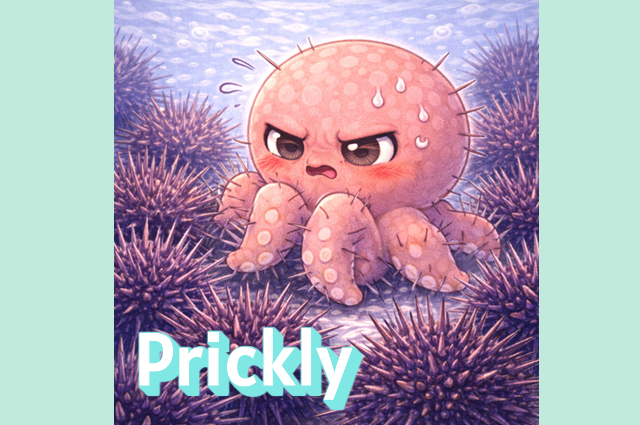
In English, we often describe small sharp sensations as:
- “It stings.”
- “It’s prickly.”
- “That hurt a little.”
Sometimes it’s physical — like a needle or dry skin.
Sometimes it’s emotional — like a guilty conscience or hurt feelings.
But how is that small, repeated sting expressed in Japanese?
Let’s step into the world of Japanese onomatopoeia and discover how tiny pricks — both physical and emotional — are captured in sound.
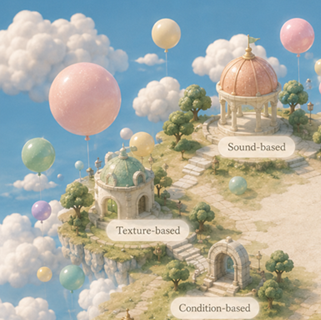
What Is a “Little Sting” Moment?
It’s not intense pain.
It’s:
- A light but sharp prick
- A repeated tiny irritation
- A small emotional jab
In daily life, this happens when:
- You touch something prickly
- Your skin feels irritated
- Someone says something that hurts — just a little
In English, these moments are described as:
- Prickly – Sharp and irritating in small points
- Stinging – A light, sharp pain
- It kind of hurt – Mild but noticeable discomfort
But Japanese gives this sensation a soft, rhythmic sound.
How Is This Feeling Expressed in Japanese?
Japanese often expresses sensations through repeating syllables — especially when something happens repeatedly.
The standout word for this small, prickling sensation is:
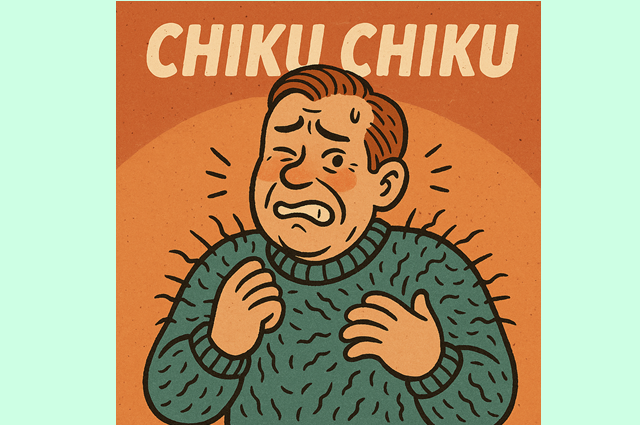
“Chiku Chiku” (ちくちく)
It captures tiny, repeated sharp touches — physical or emotional.
Let’s feel how it sounds.
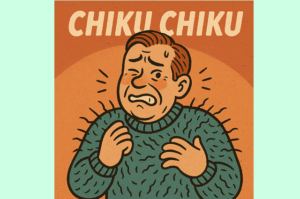
What Is Japanese Onomatopoeia “Chiku Chiku (ちくちく)” ?
“Chiku Chiku” describes:
Physical sensations
- The prick of a needle
- Pins and needles
- A cactus spine touching your skin
- Itchy, irritated fabric
Emotional sensations
- Hurt feelings
- A guilty conscience
- Words that sting quietly
It’s sharp — but not severe.
Repeated — but small.
It can even describe:
The tiny repeated motions of sewing with a needle
Pronunciation
chee-koo chee-koo
(Say it with quick, light rhythm — like tiny pokes.)
Categories
Condition / Texture / Motion
Examples in Daily Life
To learn about how it appears in manga or daily conversation, dive into the following page:
Examples








Comments