
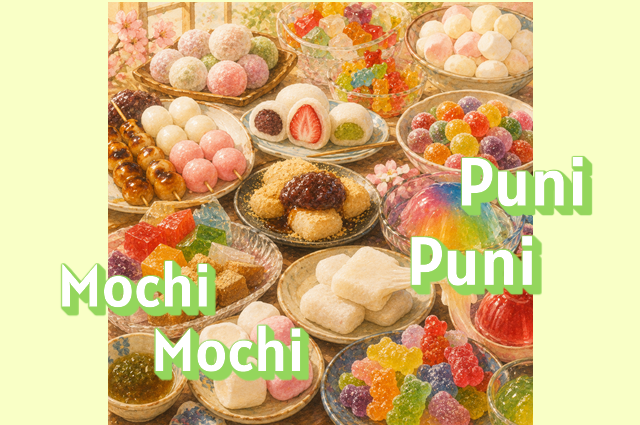
Have you ever stretched soft mochi with a chewy bounce?
Or pressed something squishy with your finger and watched it gently bounce back?
In Japanese, these two expressions both describe soft textures — but the feeling and physical sensation are quite different:
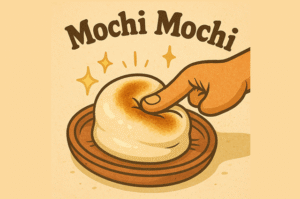
Mochi Mochi (もちもち)
Puni Puni (ぷにぷに)
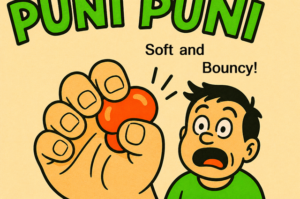
Both feel soft and pleasant, but one focuses on chewy elasticity, while the other focuses on squishy softness.
Differences Between “Mochi Mochi” and “Puni Puni”

| Expression | Meaning | Nuance |
|---|---|---|
| Mochi Mochi (もちもち) | Chewy, stretchy softness | Bouncy, elastic, satisfying to bite |
| Puni Puni (ぷにぷに) | Squishy, soft texture | Gentle, squeezable, cute |
In short:
- Mochi mochi → chewy and elastic softness
- Puni puni → squishy and squeezable softness
Examples in Daily Life
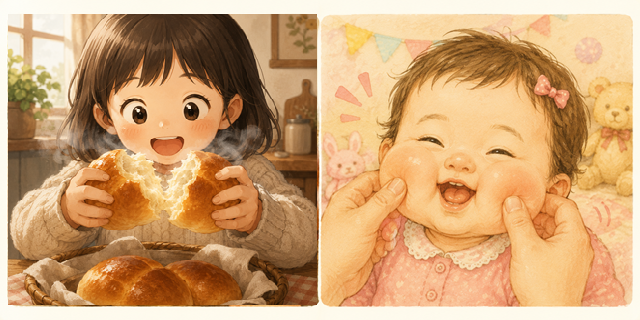
Example 1: Chewy bread (Mochi Mochi)
The fresh bread had a wonderfully chewy texture —
mochi mochi…
Example 2: Squishy cheeks (Puni Puni)
The baby’s cheeks were soft and squishy,
gently bouncing under her fingers —
puni puni…
Try Using Them!
Chewy noodles, bread, or mochi-like texture?
→ Say mochi mochi
Soft cheeks, squishy toys, or jelly-like softness?
→ Say puni puni
Both are soft and satisfying —
but the texture and feeling are completely different!






Comments