
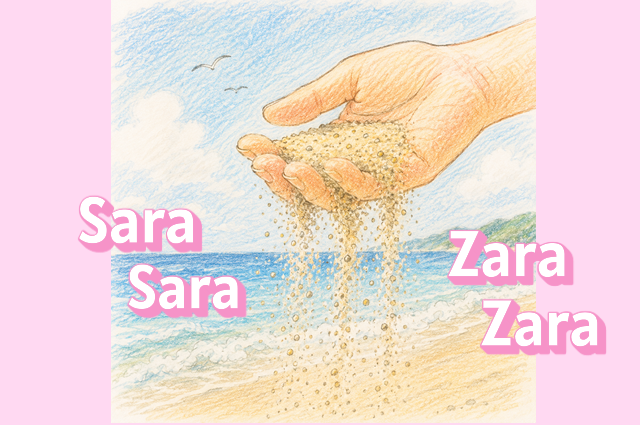
Have you ever run your fingers through smooth, flowing hair?
Or touched a rough, grainy surface that feels dry and uneven?
In Japanese, these two expressions both describe texture — but the feeling on your skin is completely opposite:
Sara Sara (さらさら)
あわせて読みたい

What Is “Sara Sara”? The Japanese Sound of Smooth Flowing or Fine Texture
Wind through silky hair.Powder running between fingers.Light rain falling softly on leaves. All of these can be described with one sound in Japanese:Sara Sar…
Zara Zara (ざらざら)
あわせて読みたい
What Is “Zara Zara”? The Japanese Sound of Rough, Gritty Texture
Imagine touching sandpaper.Or running your fingers over dry, cracked skin.Or even brushing against a dusty old wall. That rough, slightly uncomfortable textu…
Both relate to touch and movement, but one feels smooth and flowing, while the other feels rough and grainy.
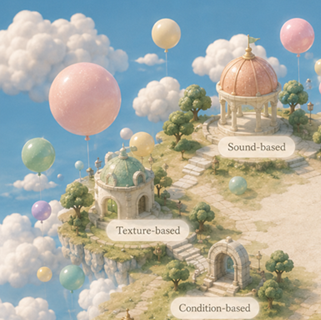
Table of Contents
Differences Between “Sara Sara” and “Zara Zara”
| Expression | Meaning | Nuance |
|---|---|---|
| Sara Sara (さらさら) | Smooth, dry, flowing texture | Light, clean, silky, pleasant |
| Zara Zara (ざらざら) | Rough, grainy texture | Dry, uneven, coarse, unpleasant |
In short:
- Sara sara → smooth and silky texture
- Zara zara → rough and grainy texture
Examples in Daily Life
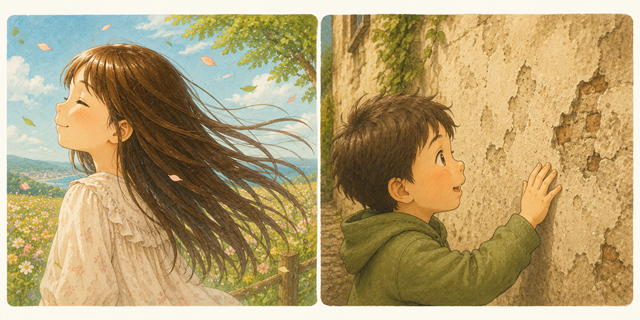
Example 1: Silky hair (Sara Sara)
Her hair moved beautifully in the wind —
sara sara…
Example 2: Rough wall (Zara Zara)
The old wall felt dry and rough under his hand —
zara zara…
Try Using Them!
Smooth hair, flowing sand, or light dry texture?
→ Say sara sara
Rough paper, dry skin, or grainy surfaces?
→ Say zara zara
Both describe texture —
but one feels wonderfully smooth, while the other feels unpleasantly rough!
More Texture-based Onomatopoeia:





Comments