

In English-speaking bakeries, cafés, or foodie blogs, you might hear people describe bread or noodles as “soft and chewy”, “bouncy”, or “springy and satisfying.”
It’s that mouthfeel that makes you go mmm — like biting into fresh mochi, fluffy white bread, or chewy noodles.
But how is this texture captured in Japanese?
Let’s step into the world of Japanese bakeries, ramen shops, and dessert menus — and discover how one single sound expresses this beloved texture perfectly.
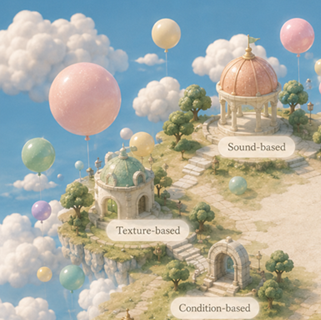
What Is a “Soft & Chewy” Moment?
It’s that bite that resists just slightly before giving in —
a springy bounce between your teeth,
a pillowy texture that’s deeply satisfying.
In English, you might hear this described as:
- Soft and Chewy – Gentle texture that’s pleasant to bite
- Springy – Has a little bounce or resilience
- Pillowy – Soft like a cloud, often for bread
- Bouncy – Elastic but tender texture
You’ll find these phrases in food reviews, cooking shows, or restaurant menus.
But what’s the Japanese sound that captures all of this in one go?
How Is This Texture Expressed in Japanese?
Japanese uses onomatopoeia not just for sounds,
but also for texture, taste, and touch.
The go-to word for that springy, satisfying texture is:
“Mochi Mochi” (もちもち)
It’s the sound and feel of something being soft, chewy, and resilient —
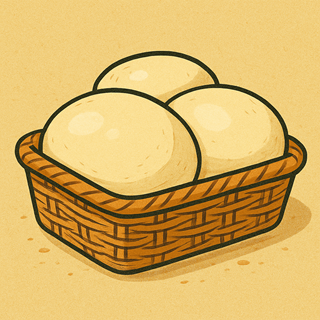
just like mochi rice cakes or fresh-baked bread.
Let’s hear how it sounds.

What Is Japanese Onomatopoeia “Mochi Mochi” (もちもち)?
“Mochi Mochi” is a Japanese onomatopoeia that describes a soft, chewy, and pleasantly springy texture.
It’s most often used for food —
like bread, rice cakes, noodles, or pancakes —
but also for touch, like plump cheeks or soft skin.
It conveys plumpness, resilience, and comfort all at once.
Used in:
- Freshly baked white bread
- Rice cakes (mochi) or dumplings
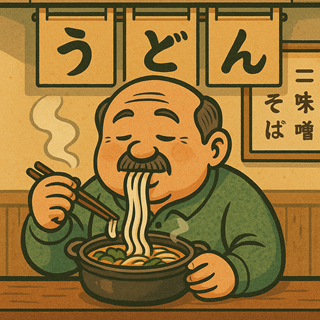
- Udon or chewy ramen noodles
- Pancakes with bounce
- Baby cheeks or squishy plush toys
Pronunciation
mo-chee mo-chee
(Say it softly and bouncily — like pressing a springy pillow)
Categories
Texture / Condition
Examples in Daily Life
To learn about how it appears in manga or daily conversation, dive into the following page:
Examples














Comments